.png)

What a Unibody Repair Shop Actually Fixes
A hard hit does not have to leave dramatic exterior damage to create a serious structural problem. That is why a qualified unibody repair shop matters after a collision. Modern vehicles are built with engineered crumple zones, welded panels, and tightly integrated structural components, so even a moderate impact can affect alignment, safety systems, and how the vehicle drives long after the visible dent is gone.
For many drivers, the confusion starts with the word itself. They hear frame damage, unibody damage, structural repair, and collision repair used interchangeably, but they are not the same thing. Knowing the difference helps you choose a shop that can restore the vehicle correctly instead of just making it look better.
What a unibody repair shop does
Most passenger vehicles on the road today use unibody construction. Instead of sitting on a separate frame, the body and structural foundation are built as one integrated unit. That design improves weight distribution, handling, fuel efficiency, and crash energy management, but it also means structural damage can spread through multiple areas of the vehicle.
A true unibody repair shop is equipped to inspect, measure, and restore that integrated structure to factory specifications. This goes beyond replacing a bumper cover or repainting a fender. It may involve pulling and realigning structural sections, repairing or replacing welded panels, verifying suspension geometry, and checking that impact-related damage has not affected steering, tire wear, or advanced safety systems.
The real goal is not cosmetic improvement. The goal is to return the vehicle as closely as possible to OEM safety standards and factory dimensions so it performs the way it was designed to perform.
Why unibody damage is easy to miss
One of the biggest risks after a crash is assuming the damage is minor because the car still starts, moves, and looks mostly normal. Unibody damage does not always announce itself clearly. Sometimes the first signs are subtle - a steering wheel that sits off-center, a door that no longer closes cleanly, uneven tire wear, a trunk gap that changed, or a vehicle that drifts on a straight road.
Those symptoms can point to structural movement, suspension damage, or both. In some cases, the issue appears during wheel alignment or mechanical inspection rather than during a quick visual estimate. That is why proper repair starts with full damage analysis, not guesswork.
This is also where certifications and equipment matter. Structural repair is not a place for approximation. Measuring systems, manufacturer repair procedures, and trained technicians help determine whether a panel can be repaired, must be replaced, or requires sectioning under approved standards. That distinction affects both safety and cost.
How a unibody repair shop evaluates collision damage
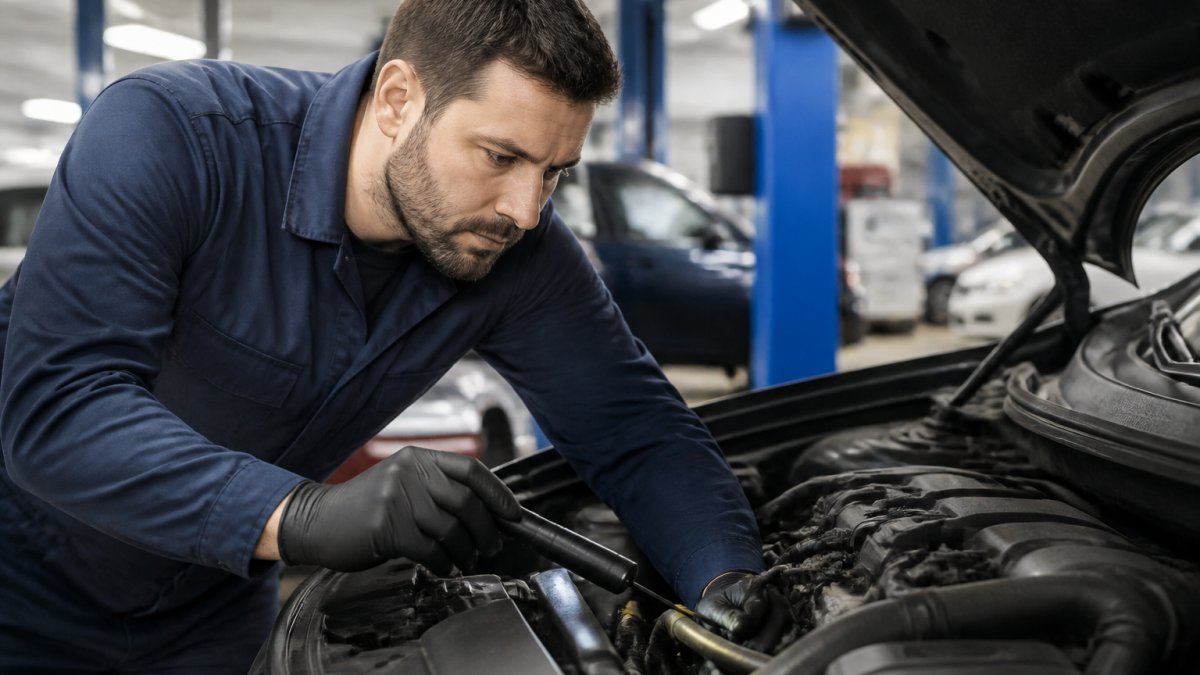
A disciplined repair process begins with inspection and teardown. Visible damage only tells part of the story. Once trim, panels, or adjacent components are removed, technicians can see whether impact forces traveled into aprons, rails, rocker panels, floor sections, pillars, or suspension mounting points.
From there, computerized measuring confirms how far the structure moved and where. This step is critical because unibody construction depends on exact dimensions. A few millimeters can matter. If the structure is out of specification, the vehicle may not absorb energy properly in a future collision, and systems like alignment, steering response, and sensor calibration may be compromised.
Repair planning also depends on the make and model. Some manufacturers require replacement instead of straightening in certain zones. Some high-strength steel components cannot be repaired the same way as conventional steel. Aluminum introduces another layer of complexity. The right shop follows repair data, not shortcuts.
Structural repair is about safety, not just appearance
When people think about auto body work, they often picture paint, dents, and panel replacement. Those things matter, especially for protecting value and preventing corrosion, but structural repair carries a different level of importance. It affects occupant protection, crash energy distribution, drivability, and long-term reliability.
A vehicle can look fully repaired and still be structurally incorrect underneath. If welded sections were not restored properly, if measurements were skipped, or if critical points remain out of spec, the vehicle may not perform as intended in another impact. That is why certified repair expertise and factory-standard procedures are worth insisting on.
There is also a practical side to this. Structural issues that are not corrected can lead to repeated alignment problems, premature tire wear, suspension stress, water leaks from shifted openings, and recurring fitment problems with doors, hood, or trunk panels. A proper repair avoids the cycle of fixing symptoms while the root issue stays in place.
What repairs may happen at a unibody repair shop
The exact repair depends on impact severity and location, but common structural work includes rail correction, apron repair, rocker panel replacement, floor pan restoration, quarter panel replacement, and pillar repair. On many jobs, those repairs are tied to mechanical needs such as suspension replacement, steering component inspection, subframe checks, and wheel alignment.
That is one reason many drivers benefit from using a full-service shop instead of separating body work from mechanical follow-up. Collision damage often crosses categories. A side impact might affect body panels, wheel alignment, and suspension geometry all at once. A front-end hit may involve structural pulling, ADAS considerations, cooling components, and drivability diagnostics.
When everything is coordinated under one process, there is less room for missed damage or conflicting recommendations. It also gives the customer a clearer path from estimate to final delivery.
Insurance approval is not the same as repair quality
Drivers are often relieved once an insurance estimate is written, but that estimate is only a starting point. Insurers may approve visible repairs before teardown reveals additional structural damage. Supplements are common in collision repair because hidden damage is common.
A good shop works directly with the insurance carrier while still advocating for the repairs the vehicle actually needs. That matters because the goal should be proper restoration, not the fastest possible file closure. There can be tension between cost control and repair thoroughness, and experienced shops know how to document damage, justify procedures, and keep the customer informed without making the process harder than it already is.
If you are evaluating a shop, ask how they handle supplements, structural measurements, parts decisions, and manufacturer repair procedures. Clear answers usually tell you a lot about how disciplined the operation is.
How to choose the right unibody repair shop
The safest choice is a shop that combines collision expertise with structural capability, mechanical understanding, and process transparency. Certifications matter because they show ongoing training, but they should be paired with real equipment, a documented repair process, and a willingness to explain what is being done and why.
Look for signs of a serious repair operation: I-CAR and ASE-certified technicians, computerized measuring, insurance coordination, paint refinishing that includes precision color matching, and a workmanship warranty that shows the shop stands behind its repairs. Just as important, pay attention to communication. A family-owned shop with strong local accountability often treats updates, estimates, and customer questions with more care than a volume-driven operation.
For drivers in Temple Hills and across Prince George's County, that combination of technical precision and honest guidance is what turns a stressful collision into a manageable repair experience. Innovation Auto Body Mechanics & Tires is built around that standard - restoring vehicles to factory parameters while helping customers navigate the insurance and repair process with clarity.
When repair is possible and when it depends
Not every damaged vehicle should be repaired, and a trustworthy shop will say so when needed. If structural damage is severe enough, repair costs may exceed the vehicle's value or manufacturer procedures may limit what can be safely restored. Salvage thresholds, part availability, and the age of the vehicle can all affect the answer.
That said, many vehicles people assume are totaled can be repaired correctly when the damage is measured accurately and the work is performed to standard. The decision is rarely about one dent or one bent panel. It depends on the full structural picture, the repair plan, and whether the vehicle can be returned to safe operating condition.
The right shop will not promise the same answer for every collision. It will inspect thoroughly, explain the trade-offs, and give you a path based on facts rather than guesswork.
If your vehicle has been hit and something feels off, trust that instinct. The best time to address unibody damage is before it turns into a larger safety, tire, alignment, or drivability problem.

Comments