
Auto Collision Repair Standards: A 2026 Guide
Table of Contents
What Collision Repair Standards Actually Mean
Why OEM Collision Repair Procedures Matter for Vehicle Safety
Collision Repair Shop Certifications and What They Prove
I-CAR Certification
ASE Certification
Direct Repair Programs and Third-Party Standards
How to Estimate Auto Body Damage and Repair Scope
Collision Repair Inspection Checklist: Before You Accept the Vehicle
Structural and Frame Integrity
Safety Systems and Technology Calibration
Paint and Finish Quality
Documentation and Repair Records
Handling Repair Disputes and Insurance Disagreements
Choosing a Repair Facility That Meets Industry Standards
Frequently Asked Questions
Last Updated: October 13, 2026
What Collision Repair Standards Actually Mean
Collision repair standards are the established procedures and specifications that guide how vehicles should be restored after an accident.
These standards exist because a poorly executed repair can compromise your vehicle's structural integrity, safety systems, and longevity.
At Innovation Auto Body Mechanics & Tires, we follow these standards religiously because they protect you. A repair that looks good cosmetically but ignores structural or safety requirements isn't actually a repair, it's a liability.
The key standards that govern collision repair include manufacturer specifications, industry certification standards (like I-CAR and ASE), and repair procedures that address both structural and cosmetic damage. Understanding how they're applied directly affects the quality of work your vehicle receives.
Why OEM Collision Repair Procedures Matter for Vehicle Safety
Original Equipment Manufacturer (OEM) procedures are the repair instructions created by your vehicle's maker.
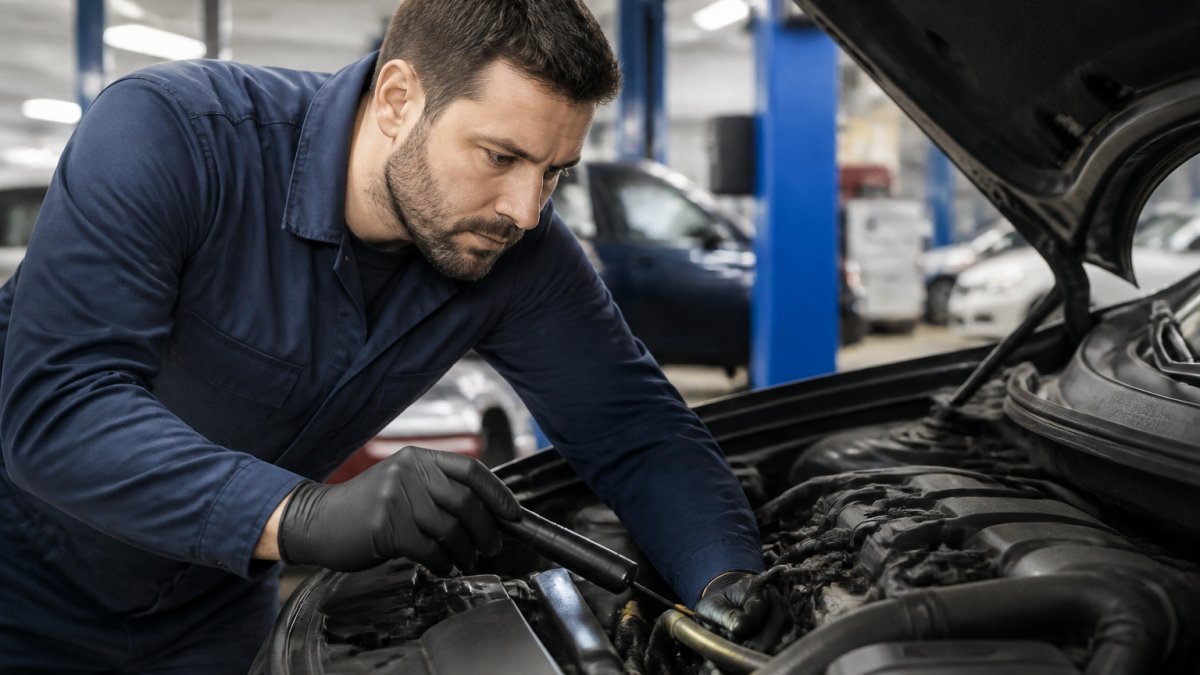
Modern vehicles are engineered as integrated systems. A bent frame isn't just a structural problem, it affects alignment, suspension geometry, airbag deployment angles, and sensor positioning.
After frame work, many modern vehicles require that cameras, radar sensors, and electronic stability control systems be recalibrated to factory specifications.
OEM procedures also dictate whether parts should be welded, glued, riveted, or replaced entirely. Using the wrong method might hold the repair together for a few years, but it won't meet the manufacturer's durability and safety standards.
The collision repair standards that matter most are those specific to your vehicle's make and model. When evaluating a shop, ask whether they have access to and follow the OEM repair procedures for your vehicle.
Collision Repair Shop Certifications and What They Prove
Not all certifications are equal. Some prove technical competence; others simply mean a technician paid a fee. Understanding what each represents helps you identify a shop that meets industry standards.
Collision Hub
I-CAR Certification
I-CAR (Inter-Industry Conference on Auto Collision Repair) certification is the most widely recognized credential in collision repair. It covers specific techniques from structural welding to composite and aluminum welding, and technicians must pass hands-on and written exams to earn and maintain it.
I-CAR Gold certification at the facility level is particularly significant. It means the shop has met rigorous standards for training, equipment, documentation, and quality control, with technicians current on training, documented repair procedures, and quality inspections on every repair.
An I-CAR certified facility has invested in staying current with repair standards and technology. The certification requires ongoing education, which matters because repair methods evolve as vehicles become more complex.
ASE Certification
ASE (Automotive Service Excellence) certification proves a technician has passed comprehensive exams covering automotive systems and repair procedures, including structural repair, welding, and vehicle systems.
ASE certification is valuable but different from I-CAR: ASE focuses on technician knowledge across a broad range of automotive disciplines, while I-CAR focuses specifically on collision repair techniques. Many top-tier facilities employ technicians with both, signaling a deeper commitment to expertise.
Direct Repair Programs and Third-Party Standards
Insurance companies often establish Direct Repair Programs (DRPs) with specific shops. To participate, shops must meet the insurer's standards for quality, turnaround time, and customer satisfaction. DRP status doesn't mean the shop is the best available, just that the insurer has vetted them.
Third-party certification programs from major insurers and industry bodies verify that a facility meets documented repair standards, typically requiring regular audits, customer satisfaction monitoring, and adherence to specific procedures.
The collision repair standards landscape includes multiple certification pathways, but I-CAR and ASE are the most rigorous and widely respected. A facility with I-CAR Gold status and ASE-certified technicians demonstrates a commitment that goes beyond the minimum.
How to Estimate Auto Body Damage and Repair Scope
Estimating collision damage is both an art and a science. A proper estimate accounts for visible damage, hidden damage that emerges during disassembly, and all work required to restore the vehicle to factory standards.
The process begins with a thorough damage assessment: the estimator photographs the damage from multiple angles, measures frame damage if present, and notes affected components. For modern vehicles, this includes checking whether safety systems, sensors, or electronic components were impacted.
A comprehensive estimate should include:
All structural repairs required to restore frame and unibody geometry
Replacement or repair of damaged components (doors, fenders, panels)
Paint and refinishing work
Safety system calibration and testing
Parts and labor costs broken down by repair category
Any hidden damage discovered during disassembly
The challenge is that hidden damage often emerges once the vehicle is disassembled: a door that looks repairable might have internal structural damage, and a fender might hide crumpled mounting points.
When reviewing an estimate, look for specificity.
Pro Tip Request an itemized estimate that separates structural work, parts replacement, paint and refinishing, and safety system calibration. This clarity helps you understand what you're paying for and makes it easier to compare estimates across facilities.
Collision Repair Inspection Checklist: Before You Accept the Vehicle
Before you drive a repaired vehicle off the lot, verify that the work meets collision repair standards. This inspection protects you from accepting substandard work and gives you documentation if problems emerge later.

Structural and Frame Integrity
Examine body panels for gaps and alignment. Doors, fenders, hoods, and trunk lids should open and close smoothly with even gaps. Uneven gaps suggest frame damage wasn't fully corrected or post-repair alignment wasn't performed.
Check that the vehicle sits level, with no sagging on one side or corner. Run your hand along seams and panel edges to feel for rough welds or panels that don't align flush, and look underneath for fresh welds. Ask the facility to explain any structural work and show documentation that measurements verified frame alignment.
Safety Systems and Technology Calibration
Ask the facility for documentation showing all safety systems have been tested and calibrated, including:
Camera and sensor calibration reports
Airbag system diagnostics
Electronic stability control verification
Brake system testing
Any other systems affected by the damage or repair
Request a printout of the diagnostic scan. A professional facility will have performed these tests and documented the results. If they wave off this request or say "everything looks fine," that's a red flag.
Paint and Finish Quality
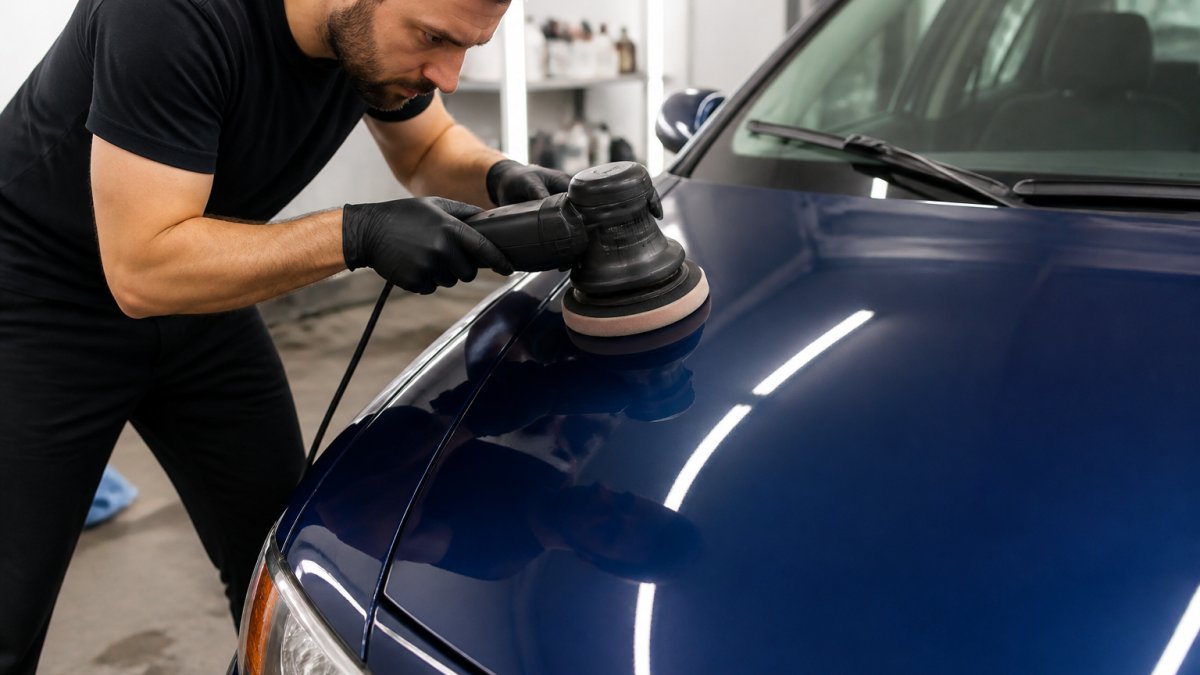
Inspect the paint in natural and artificial light. The color should match perfectly across all panels, and the surface should feel smooth without orange peel texture or rough spots. Look for overspray on trim, windows, or adjacent panels.
Check that clear coat coverage is even, with no drips, runs, or sags. The facility should have used a paint thickness gauge to verify the new paint meets factory specifications; ask to see those measurements.
Documentation and Repair Records
Request complete documentation of the repair work, including:
Itemized repair list and labor hours
Parts replaced (with part numbers)
Structural measurements and alignment verification
Paint specifications and coverage documentation
Safety system calibration reports
Warranty information
This documentation verifies that the repair met standards and provides a record if issues emerge later. Keep these records with your vehicle's maintenance history.
Watch Out If a repair facility refuses to provide detailed documentation of the work performed, that's a significant warning sign. Facilities committed to meeting collision repair standards document their work thoroughly because that documentation proves the repair was done correctly.
Handling Repair Disputes and Insurance Disagreements
Disputes arise when your insurer's estimate differs from the repair facility's, or when hidden damage is discovered during the repair. Understanding your rights and the standards that guide resolution helps you navigate these situations.
When hidden damage is discovered, the facility should document it with photographs and provide a supplement to the original estimate.
If you disagree with your insurer's estimate, you have options. You can request an independent appraisal, where a neutral third party reviews both estimates and determines which is more accurate, or hire a public adjuster to advocate for you, though this typically costs money upfront.
When disputes involve repair quality, the resolution should reference the applicable collision repair standards and OEM procedures. If your insurer denies coverage for safety system calibration, point them to the OEM procedures that require it.
The most important thing you can do upfront is choose a facility that's transparent about the estimate process and commits to following collision repair standards.
Choosing a Repair Facility That Meets Industry Standards
Your choice of repair facility determines whether your vehicle is restored to factory standards or merely made to look acceptable.
First, verify certifications.
Second, ask about their repair procedures.
Third, evaluate their equipment and facilities.
Fourth, review their warranty. At Innovation Auto Body Mechanics & Tires, we stand behind our repairs with a 100% lifetime workmanship warranty.
Fifth, ask for references and check reviews. Contact previous customers about repair quality and whether issues emerged after pickup.
Finally, trust your instincts about communication.
Choosing a collision repair facility is one of the most important decisions you'll make after an accident.
At Innovation Auto Body Mechanics & Tires, we approach every collision repair with the commitment to restore your vehicle to factory safety standards.
Inspection Element | What to Check | Why It Matters |
Panel gaps and alignment | Doors, fenders, hoods close smoothly with even gaps | Indicates frame was properly aligned |
Paint color and finish | Matches across all panels; smooth texture in natural and artificial light | Verifies proper paint application and matching |
Safety system documentation | Calibration reports for cameras, sensors, stability control | Confirms safety systems function as designed |
Structural measurements | Frame alignment verified with precision measuring equipment | Proves repair meets factory specifications |
Repair documentation | Itemized list of parts, labor, procedures performed | Provides record of work quality and standards compliance |
Key Takeaway The collision repair standards that matter most are those specific to your vehicle's make and model. A facility that commits to following OEM procedures and can document their work demonstrates that safety and quality drive their decisions.
Frequently Asked Questions
What is automotive collision repair?
Automotive collision repair restores a vehicle damaged in an accident to its pre-collision condition, meeting manufacturer safety and structural standards. This includes repairing or replacing body panels, frames, mechanical components, and safety systems. The repair process follows OEM specifications to ensure the vehicle functions safely and maintains its structural integrity after damage.
Why do OEM collision repair procedures matter after a collision?
OEM (original equipment manufacturer) procedures ensure repairs restore your vehicle to factory specifications, maintaining structural strength, safety system function, and crashworthiness. Following OEM procedures protects you in future accidents and preserves the vehicle's value.
What do collision repair shop certifications mean?
Certifications like I-CAR and ASE verify that technicians have completed formal training and passed rigorous exams in collision repair techniques, safety procedures, and industry standards. I-CAR focuses on structural repair and refinishing; ASE covers broader automotive knowledge. These certifications mean the shop meets recognized industry standards and its team has demonstrated competency in modern repair methods.
How can I tell whether collision repairs were done properly?
Request a post-repair inspection checklist covering frame straightness, paint color matching, safety system calibration, and proper welding. Review repair documentation showing which OEM procedures were followed. Test vehicle functions: lights, sensors, brakes, and alignment. Check that panel gaps are even and paint finish is seamless. Ask the shop for before-and-after photos and a written warranty on workmanship.
What should be checked before accepting a repaired vehicle?
Inspect structural alignment, paint uniformity across all panels, proper door and hood closure, safety system operation (airbags, ABS, lane-assist), electrical function, and tire alignment. Request documentation proving OEM procedures were followed. Test drive to verify steering, braking, and handling. Confirm the shop provided a detailed repair estimate and warranty. Ask questions about any parts replaced versus repaired.
How do collision repair shops estimate auto body damage?
Estimators perform a visual inspection to assess visible and hidden damage, then use estimating software to calculate parts, labor, and refinishing costs based on manufacturer data. The estimate should itemize structural repairs, replacement parts, paint labor, and frame straightening. Quality shops provide detailed written estimates that reference OEM procedures and explain the scope of work, allowing you to understand exactly what will be repaired.
What standards should a collision repair shop follow?
Collision repair shops should follow OEM repair procedures specific to your vehicle's make and model, comply with industry standards set by I-CAR and ASE, and meet insurance company requirements if filing a claim. Many shops participate in direct repair programs (DRPs) with insurers, which means they've agreed to follow specific quality benchmarks. Always verify the shop's certifications and ask which standards they follow for your repair.
Free Estimate

Comments