
Professional Collision Repair Near Me: A 2026 Guide
Table of Contents
What Professional Collision Repair Includes
Getting a Collision Repair Estimate
What a Free Estimate Should Cover
Red Flags in Repair Estimates
Understanding the Collision Repair Process
Assessment and Damage Documentation
Frame Alignment and Structural Repair
Auto Body Work and Painting
How Long Does Collision Repair Take
Choosing a Certified Collision Repair Center
Technician Certifications That Matter
Quality Standards and Warranties
Insurance Claims and Repair Shop Selection
Safety and Post-Repair Verification
Finding Professional Collision Repair Services
Frequently Asked Questions
Last Updated: October 15, 2026
What Professional Collision Repair Includes
Professional collision repair encompasses a full spectrum of services designed to restore your vehicle to factory safety standards after an accident. At Innovation Auto Body Mechanics & Tires, we handle everything from minor dent removal to complete structural restoration, ensuring your car is as safe as it was before the collision.
The scope of professional collision repair typically includes assessment and documentation of all damage, frame and structural alignment, auto body work, painting and refinishing, parts replacement or repair, and mechanical inspection.
Many vehicle owners don't realize that modern cars have complex structural designs where even small misalignments can compromise safety. A professional collision repair center uses computerized diagnostic equipment to identify damage that the naked eye would miss. This is where the difference between a quick fix and genuine restoration becomes critical.
Pro Tip After a collision, have your vehicle inspected by a certified professional before accepting any insurance estimate. Hidden frame damage or suspension misalignment can create safety hazards that won't surface until you're driving at highway speeds.
Getting a Collision Repair Estimate
A collision repair estimate is your roadmap to understanding what work needs to be done and what it will cost. The estimate process should be thorough and transparent.
What a Free Estimate Should Cover
Your estimate should itemize every aspect of the repair work. This means line-item listings for frame straightening, parts replacement, labor hours, paint and materials, and any mechanical repairs discovered during the damage assessment. A detailed estimate will also note the condition of parts, whether they'll be repaired, replaced, or refinished, and specify whether parts are original equipment manufacturer (OEM) or aftermarket alternatives.
The estimate should also include a timeline for completion and clarify what's covered under the shop's warranty. Many shops offer a lifetime workmanship warranty, which means they stand behind their repair work indefinitely.
National Highway Traffic Safety Administration guidelines on vehicle safety standards
Red Flags in Repair Estimates
Watch for estimates that are vague or use broad categories like "body work" without breaking down specific procedures. If an estimate doesn't specify whether parts will be replaced or repaired, that's a problem, replacement parts cost more but may be necessary for safety-critical components.
Be cautious of estimates significantly lower than others you've received. While competitive pricing is good, an estimate that's substantially cheaper often means corners are being cut, whether through inferior materials, rushed timelines, or inadequate structural repairs. Collision repair is not a commodity, quality and precision matter for your safety.
Another warning sign: shops that pressure you to use their preferred insurance network or refuse to work with your insurance company's adjusters. Professional shops are transparent about insurance relationships and work collaboratively with adjusters to ensure fair assessment.
Understanding the Collision Repair Process
The collision repair process follows a logical sequence, though the specific steps and duration depend on the severity of damage. Understanding this process helps you communicate better with your repair shop and know what to expect.
Assessment and Damage Documentation
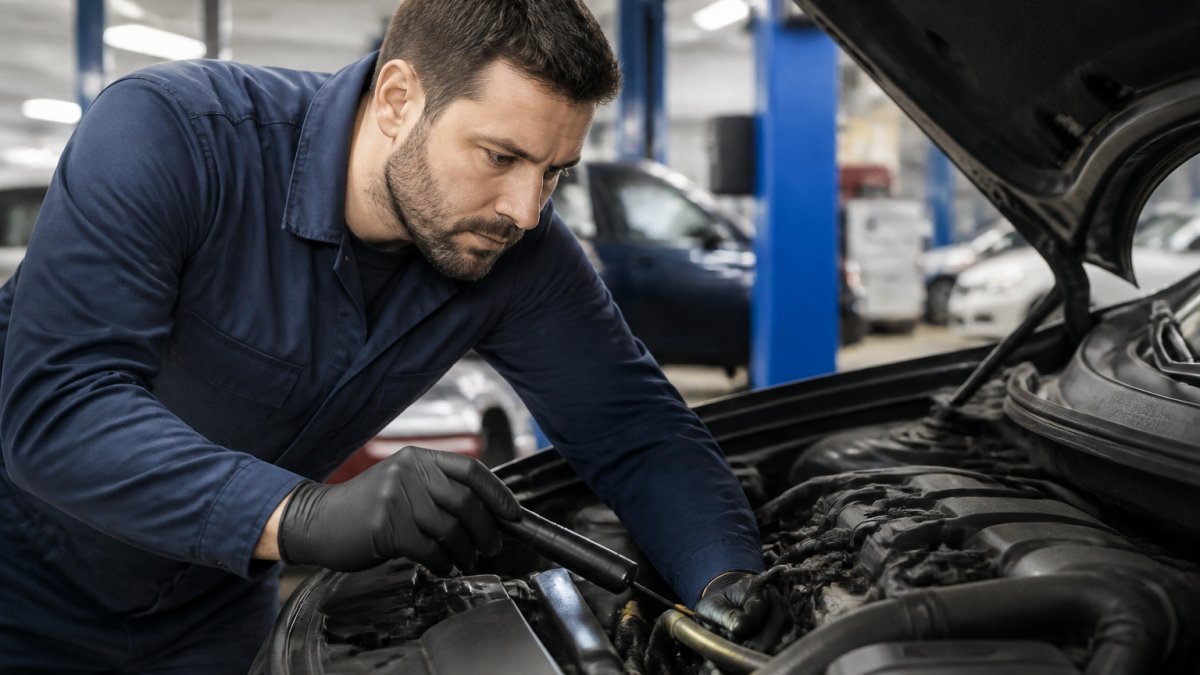
The first step is a comprehensive damage assessment. Technicians photograph and document every damaged area, then use computerized diagnostic equipment to scan for frame damage, suspension misalignment, and electronic system faults. This assessment becomes the foundation for your estimate and repair plan.
During assessment, the shop identifies both obvious damage and hidden structural issues. Modern vehicles have crumple zones designed to absorb impact energy, which means a collision that looks minor on the surface may have compromised critical structural components. A certified repair center will identify these issues before work begins, not after you've already paid a deposit.

Frame Alignment and Structural Repair
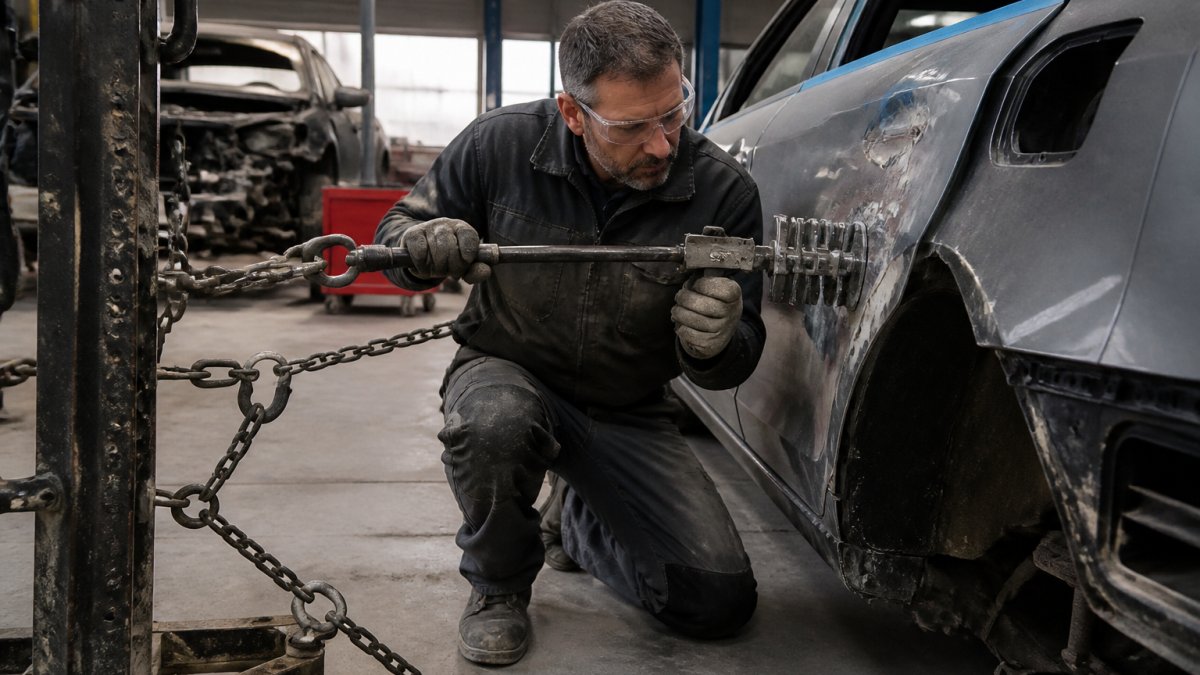
Once damage is documented, the repair sequence typically begins with frame straightening and structural repair. This is precision work, frames must be aligned to exact specifications, often within fractions of an inch. Computerized frame alignment equipment measures the vehicle's structure against factory specifications and guides technicians through the straightening process.
Structural repair might involve replacing bent frame rails, reinforcing damaged areas, or welding components back to factory specifications. This is not cosmetic work; it's foundational to your vehicle's safety. A frame that's slightly out of alignment can cause uneven tire wear, poor handling, and compromised crash protection in future accidents.
Auto Body Work and Painting
After structural work is complete, the body work phase begins. Damaged panels are either repaired or replaced depending on the severity of damage and cost analysis. Dents are removed using specialized techniques, paintless dent removal when possible to preserve the original factory finish, or traditional body work when necessary.
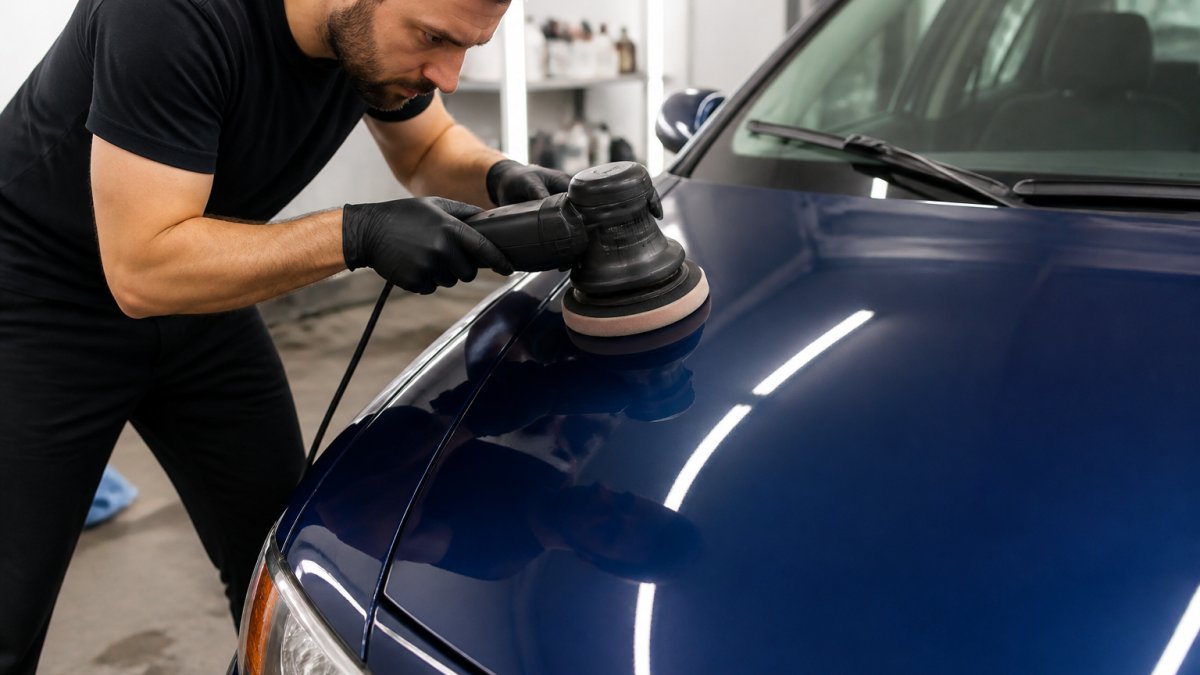
Painting is where precision really matters. Professional shops use computerized color-matching technology to ensure the new paint blends seamlessly with the existing finish. Climate-controlled paint booths maintain proper temperature and humidity, which is essential for paint curing and color consistency. A factory-quality finish requires the right equipment, materials, and expertise.
How Long Does Collision Repair Take
Timeline depends entirely on damage severity. A minor fender-bender with no structural damage might take 3-5 business days. A moderate collision requiring frame straightening, panel replacement, and repainting typically takes 10-14 business days. Severe collisions involving multiple structural repairs can take 3-4 weeks or longer.
Several factors affect repair timelines. Parts availability is significant, if your vehicle requires specific OEM parts that aren't in stock, the shop must order them, which adds days to the project. The complexity of structural damage matters too; frame straightening on modern vehicles with integrated safety systems requires careful, methodical work that can't be rushed.
Weather and shop capacity also play roles. Paint curing requires specific temperature and humidity conditions, so extreme weather can delay the process. During peak collision season, shops may have longer timelines simply because they're managing multiple projects simultaneously.
Key Takeaway Ask your repair shop for a realistic completion date and weekly progress updates. Transparency about timelines builds confidence and helps you plan for alternative transportation.
Choosing a Certified Collision Repair Center
Not all collision repair shops are equal. The difference between a certified professional shop and an uncertified operation can mean the difference between a safe repair and a compromised one.
Technician Certifications That Matter
Look for I-CAR (Inter-Industry Conference on Auto Collision Repair) and ASE (Automotive Service Excellence) certifications. I-CAR certification indicates that technicians have completed rigorous training in collision repair techniques, materials, and safety standards. ASE certification demonstrates expertise in specific automotive systems and repair procedures.
These certifications aren't just credentials on a wall, they represent ongoing education and commitment to industry standards. Certified technicians stay current with evolving vehicle technology, new repair techniques, and safety protocols. As vehicles become more sophisticated with integrated safety systems, advanced driver assistance systems (ADAS), and electronic components, technician expertise becomes increasingly important.
Ask the shop how many of their technicians hold current certifications and what their training schedule looks like. A shop that invests in ongoing technician education is a shop that takes quality seriously.
Quality Standards and Warranties
A reputable collision repair center stands behind their work with a warranty. Many shops offer a lifetime workmanship warranty, which means they guarantee the quality of their repair work indefinitely. This is a powerful signal of confidence in their process and materials.
The warranty should clearly define what's covered, typically all structural repairs, welding, painting, and mechanical work performed by the shop. Some warranties exclude normal wear and tear or damage from subsequent accidents, which is reasonable. What matters is that the shop is willing to stake their reputation on the quality of their work.
Quality standards should also be evident in the shop's process. Do they use OEM parts or aftermarket alternatives? Can they explain the difference and justify their choice? Do they perform pre-delivery inspections to verify that all work meets specifications? Professional shops have documented quality control procedures.
Insurance Claims and Repair Shop Selection
Your insurance company may have preferred repair shops, but you have the right to choose your own collision repair center. This is an important distinction, while insurers can recommend shops, they cannot force you to use one.
When filing a claim, provide your insurance adjuster with the estimate from your chosen repair shop. If the adjuster disputes the estimate or recommends a different shop, you can request a second opinion or ask for a detailed explanation of the discrepancy.
Some shops are on insurance preferred networks, which may offer benefits like simplified claim processing or guaranteed rates. However, being on a preferred network doesn't automatically make a shop better, it's a business relationship, not a quality indicator. Evaluate shops based on certifications, warranties, and customer feedback, not just insurance relationships.
Consumer Guide to Auto Insurance Claims
Safety and Post-Repair Verification
Before your vehicle leaves the repair shop, it should undergo a comprehensive safety inspection. This includes verification that the frame is properly aligned, all structural welds are sound, mechanical systems function correctly, and safety systems like airbags and electronic stability control are operational.
Modern vehicles have electronic systems that require recalibration after collision repair. ADAS systems, which include lane-keeping assist, automatic braking, and adaptive cruise control, need to be recalibrated to factory specifications using specialized equipment. A shop that doesn't address this is leaving your vehicle in an unsafe condition.
Ask your repair shop for documentation of all post-repair inspections and system recalibrations. This paperwork proves that your vehicle has been restored to factory safety standards and provides important records if issues arise later.
Watch Out Never accept a vehicle from a repair shop without asking specifically about ADAS recalibration and safety system verification. Modern safety systems are critical for accident prevention, and improper calibration can compromise their effectiveness.
Finding Professional Collision Repair Services
When searching for professional collision repair near you, start by identifying shops with I-CAR and ASE certifications.
Call several shops and ask the same questions: What certifications do your technicians hold? Do you offer a warranty? Can you work with my insurance company? How long will my repair take?
Visit the shop in person if possible. A well-maintained facility with modern equipment, organized workspaces, and professional staff signals that quality is a priority. Ask to see their paint booth, frame alignment equipment, and diagnostic tools.
I-CAR Collision Repair Training Standards
At Innovation Auto Body Mechanics & Tires, we combine I-CAR and ASE certified technicians with advanced computerized technology to restore your vehicle to factory safety standards.
Finding the right collision repair shop after an accident is one of the most important decisions you'll make for your vehicle's safety and value. A professional collision repair center combines certified technicians, advanced equipment, transparent pricing, and a commitment to factory-standard restoration.
Frequently Asked Questions
How do I know if a collision repair center is certified?
Look for I-CAR and ASE certifications, which indicate technicians have passed rigorous training and testing in collision repair standards. I-CAR (Inter-Industry Conference on Auto Collision Repair) certification demonstrates expertise in modern repair techniques, while ASE (Automotive Service Excellence) certifications show broad automotive knowledge. Ask the shop to verify these credentials and check how long technicians have held them. Certified shops often display their credentials prominently and can provide proof upon request.
What should I expect in a professional collision repair estimate?
A detailed collision repair estimate should itemize all damage, list specific parts needed (OEM or equivalent), break down labor costs by repair phase, and include paint matching and refinishing charges. The estimate should reference your vehicle's make, model, and year, and note whether it covers frame straightening, dent removal, or other major work. Reputable shops provide free estimates and explain any uncertainties upfront. Compare estimates from multiple shops, but prioritize thoroughness and transparency over lowest price alone.
How long does professional collision repair typically take?
The repair timeline depends on damage severity, parts availability, and the complexity of repairs. The repair timeline also depends on shop workload. Ask the shop for a realistic timeline during your estimate consultation and request regular progress updates. Transparent communication about timelines helps you plan for transportation while your vehicle is being repaired.
Can I choose my own collision repair shop, or must I use my insurance company's preferred shop?
You have the legal right to choose your own collision repair shop, even if your insurance company has preferred vendors. However, using an insurance-approved shop may streamline the claims process, as the shop often handles estimates and billing directly with the insurer. If you prefer an independent shop, notify your insurance company and provide them with the estimate. Some insurers offer incentives for using their network, while others may require pre-approval. Always verify the shop's insurance credentials before committing, and ask whether they work with your specific insurance company.
Free Estimate
Comments