
Collision Repair Estimates: A 2026 Guide
Table of Contents
How Collision Repair Estimates Are Created
Vehicle Inspection and Damage Assessment
Estimating Software and Data Entry
Preparing for Your Estimate Appointment
What to Bring and Document
Photo Documentation Standards
Collision Repair Estimate Checklist: What to Review
Line Items and Cost Breakdown
Labor Hours and Parts Costs
Estimate Quality and Completeness
How to Write an Auto Repair Estimate: Understanding the Process
Repair Procedures and OEM Standards
Hidden Damage and Diagnostic Scans
Collision Repair Estimate Examples and Supplemental Estimates
When Estimates Need Revision
Supplemental Collision Repair Estimates: Why They Happen
Hidden Structural Damage
Parts Availability and Delays
Comparing Estimates and Choosing a Qualified Repair Shop
What to Ask a Body Shop About Its Estimate
Insurance Claim Handling and Authorization
Common Mistakes to Avoid with Collision Repair Estimates
Frequently Asked Questions
Last Updated: October 11, 2026
How Collision Repair Estimates Are Created
A collision repair estimate is a detailed written assessment of the damage to your vehicle and the cost to repair it. Understanding how shops create these estimates helps you evaluate their accuracy and completeness before authorizing work.
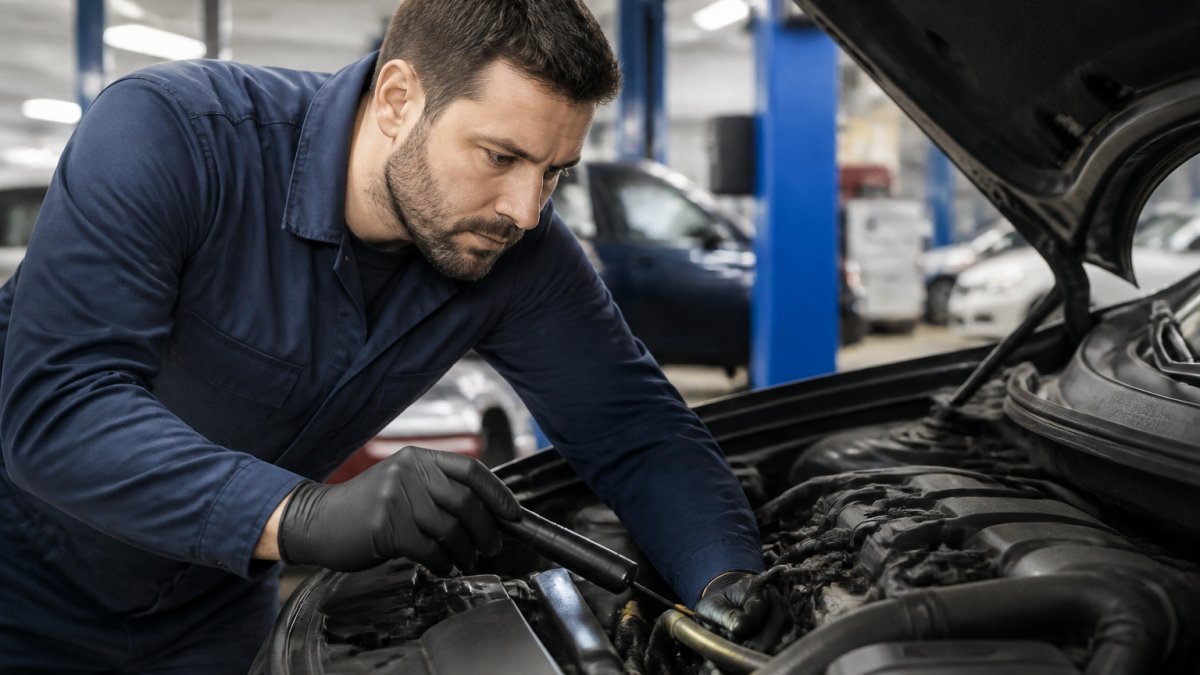
Technicians perform a thorough inspection upon arrival, documenting visible damage, measuring structural alignment, and identifying components needing replacement versus repair. This assessment forms the foundation for the estimate.
Vehicle Inspection and Damage Assessment
Technicians systematically inspect the vehicle's exterior, interior, undercarriage, and mechanical systems, identifying both obvious damage and hidden issues that won't appear until disassembly.
OEM repair procedures are critical, different manufacturers specify different repair approaches for the same damage. Using vehicle-specific procedures ensures the estimate reflects actual requirements, not generic assumptions.
Estimating Software and Data Entry
Technicians enter findings into estimating software containing databases of labor hours, parts costs, and paint materials.
Technicians must correctly categorize each component, specify parts type (OEM, aftermarket, or recycled), and account for paint and refinish labor.
Estimating systems flag potential hidden damage based on collision type, prompting technicians to check components that commonly sustain secondary damage. This systematic approach catches issues quick inspections miss.
Preparing for Your Estimate Appointment
Bring your vehicle's keys, insurance information, claim number, and any damage photos to speed up the process and ensure accuracy.
Allow 30-60 minutes for a thorough estimate on significant damage. Rushing leads to incomplete estimates requiring supplemental work later.

What to Bring and Document
Bring your vehicle title or registration, insurance card with policy number and adjuster information, and a valid driver's license if paying out-of-pocket.
Bring any police report number and photos taken immediately after the accident.
Note any changes in how the vehicle feels or sounds, steering differences, new noises, pulling to one side, to help technicians identify mechanical damage.
Photo Documentation Standards
Take wide shots showing the vehicle's position and impact area, then photograph damaged areas from multiple angles: straight-on, 45-degree, and close-ups.
Include reference objects (coin, ruler, or hand) to establish scale. Use natural daylight when possible. Photograph undercarriage and frame damage with a flashlight if needed.
Take pre-damage photos if available to help technicians identify pre-existing damage that shouldn't be included in the estimate.
Collision Repair Estimate Checklist: What to Review
Review your collision repair estimate systematically.
Check that all observed damage is listed. If something is missing, ask why, the shop should explain whether damage is minor or requires repair.
Verify the estimate includes diagnostic scans for electronic systems. Modern vehicles require computer diagnostics after repairs, especially those with ADAS requiring post-repair calibration.
Line Items and Cost Breakdown
A quality collision repair estimate breaks down costs into clear line items, listing each component with description, labor hours, parts cost, and paint cost.
Look for parts described as OEM (original manufacturer, higher cost, guaranteed fit), aftermarket (third-party, lower cost, variable quality), or recycled (salvage, significant savings for non-safety components).
Labor costs should break down into specific tasks: disassembly, repair/replacement, reassembly, and refinish work (surface prep, primer, paint, clear coat).
Labor Hours and Parts Costs
Labor hours come from manufacturer procedures or industry databases, not guesses. Accurate estimating software pulls times from manufacturer or industry databases accounting for the specific repair approach.
Parts costs come from supplier pricing databases that update regularly. Recycled parts pricing varies by condition and availability, so estimates may note availability confirmation needed.
Ask about the shop's labor rate. ASE and I-CAR certified technicians typically charge more but are more likely to identify hidden damage and perform repairs correctly the first time.
Estimate Quality and Completeness
A complete collision repair estimate accounts for all visible damage, anticipates common hidden damage for the collision type, includes diagnostic scans, and specifies paint materials and refinish labor.
The estimate should note special procedures: ADAS post-repair calibration, frame straightening approach and verification, and parts backorder delays.
Quality estimates include a timeline accounting for parts availability and paint curing. If parts are unavailable, ask about alternatives like recycled parts or expected arrival times.
How to Write an Auto Repair Estimate: Understanding the Process
Writing an accurate collision repair estimate requires understanding vehicle construction, repair procedures, and parts availability to assess damage, determine repair approaches, calculate labor times, and price parts.
The estimating process follows a logical sequence: inspect and photograph damage, consult vehicle-specific repair procedures, enter findings into estimating software, and review for completeness before presenting.
Repair Procedures and OEM Standards
OEM repair procedures specify exact steps, tools, operation sequences, and quality verification. Using them ensures repairs meet factory standards and maintain vehicle safety.
For frame damage, OEM procedures specify straightening sequences, measurement points for alignment verification, and post-straightening verification to ensure factory specifications and safety.
Technicians access OEM procedures through manufacturer databases. Shops using outdated or generic approaches risk incomplete repairs.
Hidden Damage and Diagnostic Scans
Hidden damage appears during disassembly or diagnostic testing. Common examples include bent suspension components, damaged engine mounts, or electrical damage from water intrusion.
Diagnostic scans use computer equipment to test electronic systems and read fault codes, identifying problems that might not show symptoms until the vehicle is driven.
A quality collision repair estimate includes diagnostic scans for electronic systems, specifying what will be scanned and noting that additional repairs may be needed if hidden damage is found.
Collision Repair Estimate Examples and Supplemental Estimates
Supplemental estimates are issued when hidden damage is discovered during repairs, a normal part of collision repair since all damage can't be known until disassembly begins.
When hidden damage is discovered, technicians stop work and prepare a supplemental estimate. This lets you authorize additional repairs before work continues, whether minor component damage or significant structural issues.
When Estimates Need Revision
Estimates need revision when initial assessment was incomplete or new damage is discovered. Components may need replacement instead of repair, rust may make repair impractical, or secondary damage may require additional work.
Quality shops prepare customers for supplemental estimates upfront, explaining that hidden damage is common and they'll notify you immediately if additional work is needed before proceeding.
Supplemental Collision Repair Estimates: Why They Happen
Supplemental estimates happen because technicians can't know all internal damage until disassembly begins, despite using experience to predict likely damage.
A vehicle with minor-looking damage might have significant frame damage depending on impact angle, while obvious frame damage might have minor mechanical damage. This uncertainty makes thorough inspections and diagnostics essential.
Hidden Structural Damage
Frame damage often requires supplemental estimates because full extent isn't apparent until straightening begins. Technicians may discover multi-plane bending or cracked welds requiring frame sections to be replaced rather than straightened.
Structural damage assessment requires specialized equipment. Frame measuring systems use laser or camera technology to compare dimensions to factory specifications, revealing damage visual inspection misses.
Parts Availability and Delays
Parts availability frequently triggers supplemental estimates when parts assumed in stock are actually on backorder. Shops may need to revise estimates, offer alternatives like recycled or aftermarket parts, or adjust timelines.
Supplemental estimates also arise when ordered parts arrive damaged or defective, requiring replacements and revised timeline estimates.
Comparing Estimates and Choosing a Qualified Repair Shop
Comparing estimates from multiple shops helps identify outliers and understand repair cost ranges. However, lower prices don't always mean better value, shops quoting significantly less may cut corners on parts quality, procedures, or diagnostics.
When comparing estimates, look for consistency in scope: diagnostic scans, OEM procedures, and hidden damage accounting. A lower estimate omitting diagnostics isn't cheaper if you pay for scanning later.
What to Ask a Body Shop About Its Estimate
Ask the shop to explain its estimate line by line: why parts are replaced versus repaired, labor time justification, OEM versus generic procedures, diagnostic scans, and repair warranty.
Ask about the shop's certifications. I-CAR and ASE certifications indicate technicians have training and testing in collision repair procedures.
Ask about their quality assurance process. Do they have a quality control technician who inspects repairs before returning vehicles to customers?
Insurance Claim Handling and Authorization
If you're filing an insurance claim, ask the shop how they handle the claim process. Do they submit the estimate directly to your insurance company?
Ask whether the shop is in your insurance company's network. Network shops have agreements with insurers that simplify the claims process.
Understand your deductible and what you'll owe. Your insurance company pays the repair cost minus your deductible. You're responsible for the deductible amount.
Common Mistakes to Avoid with Collision Repair Estimates
The most common mistake is authorizing repairs based on the estimate without understanding what's included. Read the estimate carefully.
Another common mistake is choosing a shop based solely on price.
Don't ignore supplemental estimates or try to negotiate them away.
Avoid shops that pressure you to decide quickly.
Finally, don't skip diagnostic scanning if your vehicle has electronic systems. Diagnostic scans identify hidden damage that visual inspection misses.
Choosing the right repair shop for your collision repair estimate makes the difference between a vehicle restored to factory standards and one that's merely patched up. At Innovation Auto Body Mechanics & Tires, our I-CAR and ASE certified technicians use advanced computerized technology and OEM repair procedures to ensure every estimate reflects the actual work needed. We provide transparent communication and a 100% lifetime workmanship warranty on all repairs. Get a free estimate from Innovation Auto Body Mechanics & Tires and experience the difference that certified expertise and family-owned integrity make in collision repair.
Frequently Asked Questions
What should a collision repair estimate include?
A complete collision repair estimate must list all damaged parts, labor hours required, parts costs (OEM, aftermarket, or recycled), refinish labor, and diagnostic fees. The estimate should break down each line item with part numbers and labor rates. It should also note any hidden damage discovered during inspection, reference repair procedures, and specify the timeline. A quality estimate includes the vehicle identification number, damage photos, and authorization for work to begin.
How do you write an accurate auto body repair estimate?
Start with a thorough vehicle inspection and damage assessment using diagnostic equipment if needed. Use estimating software to enter part numbers, labor hours, and material costs based on manufacturer repair procedures. Reference OEM specifications for your vehicle model. Document all visible damage with photos. Include supplemental estimates for hidden damage found during disassembly. Communicate clearly with the customer about what's covered, deductibles, and out-of-pocket costs. Verify parts availability before finalizing the estimate.
Why can a collision repair estimate change after repairs begin?
Hidden damage often becomes visible only after disassembly. Structural damage, corrosion, or component failure discovered during the repair process requires supplemental estimates. Parts delays may extend timelines, and diagnostic scans may reveal additional issues with ADAS systems or electronic components. Reassembly can uncover misalignment or damage not apparent in initial inspection. A reputable shop communicates these changes immediately and provides revised estimates before proceeding with additional work.
What is the difference between an initial estimate and a supplemental collision repair estimate?
An initial estimate covers visible damage found during the first inspection. A supplemental estimate accounts for additional damage discovered during disassembly, repairs, or diagnostic testing. Supplemental estimates are common in collision repair because hidden structural damage, frame damage, or electronic component failure cannot always be detected without taking the vehicle apart. Insurance adjusters typically review supplemental estimates, and many shops require customer authorization before submitting them.
How long does it take to get a collision repair estimate?
A basic estimate typically takes 30 minutes to 2 hours, depending on damage severity and inspection complexity. Shops using advanced estimating software and diagnostic equipment may complete estimates faster. If hidden damage is suspected, the shop may recommend a more thorough inspection. Supplemental estimates can take several days once repairs begin, as technicians must disassemble damaged components to assess full extent of damage.
How can you avoid overpaying for collision repair estimates?
Get written estimates from multiple qualified shops and compare line items carefully. Verify that estimates reference OEM repair procedures specific to your vehicle. Ask about parts options (OEM, aftermarket, or recycled) and their costs. Ensure the estimate includes all visible and suspected hidden damage. Check that labor rates are clearly stated and reasonable for your area. Work with shops that offer transparent communication and are willing to explain every charge.
Free Estimate

Comments