.png)

Insurance Approved Repair Guide for Maryland Drivers
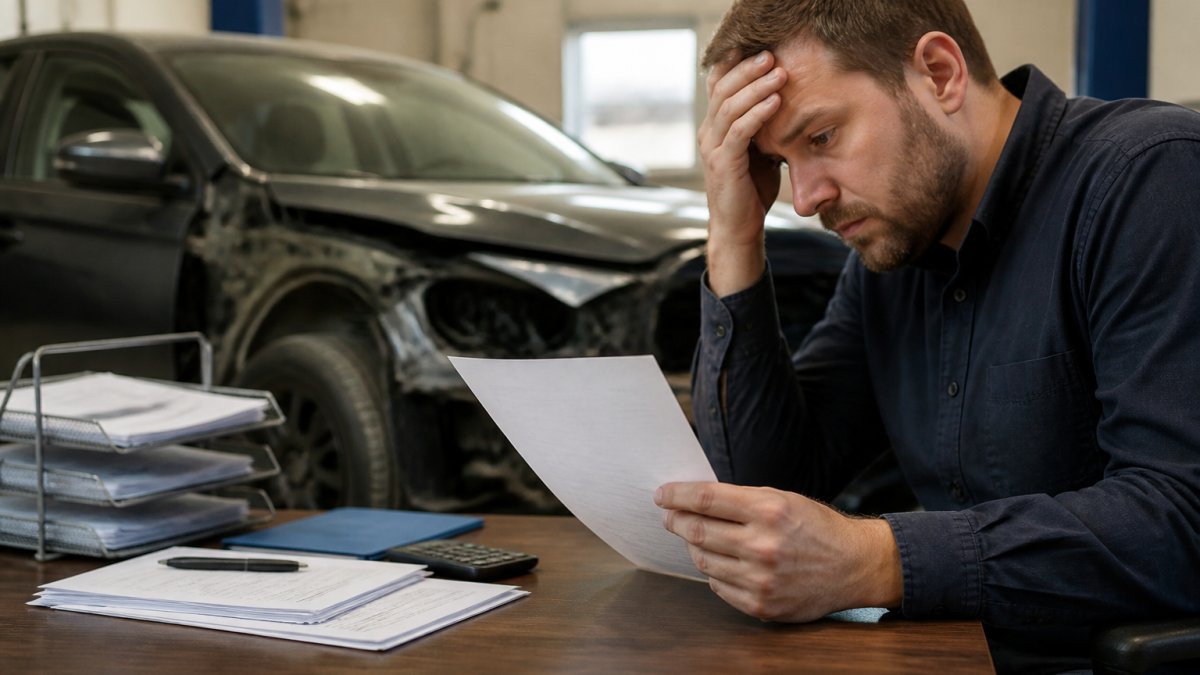
A collision can leave you managing more than damaged sheet metal. You may be dealing with an insurer, a tow company, a rental deadline, and questions about whether the repair shop will restore your vehicle safely. This insurance approved repair guide explains how to keep control of the process while making sure the work meets the standards your vehicle requires.
The phrase "insurance approved" can be misleading. It does not have to mean using the shop suggested by the insurance company. In most cases, you can choose the repair facility you trust. The insurer’s role is to review the loss, determine covered damage under your policy, and issue payment according to the claim. Your repair facility’s role is to identify damage accurately and repair the vehicle using proper procedures, parts, and calibrations.
Insurance Approved Repair Guide: Start With Your Rights
An insurer may recommend a network or direct-repair shop, often called a DRP facility. These relationships can make claim communication more convenient, but a recommendation is not the same as a requirement. Before authorizing repairs, ask whether you are free to select your own shop, what your deductible is, and whether your policy has specific parts provisions.
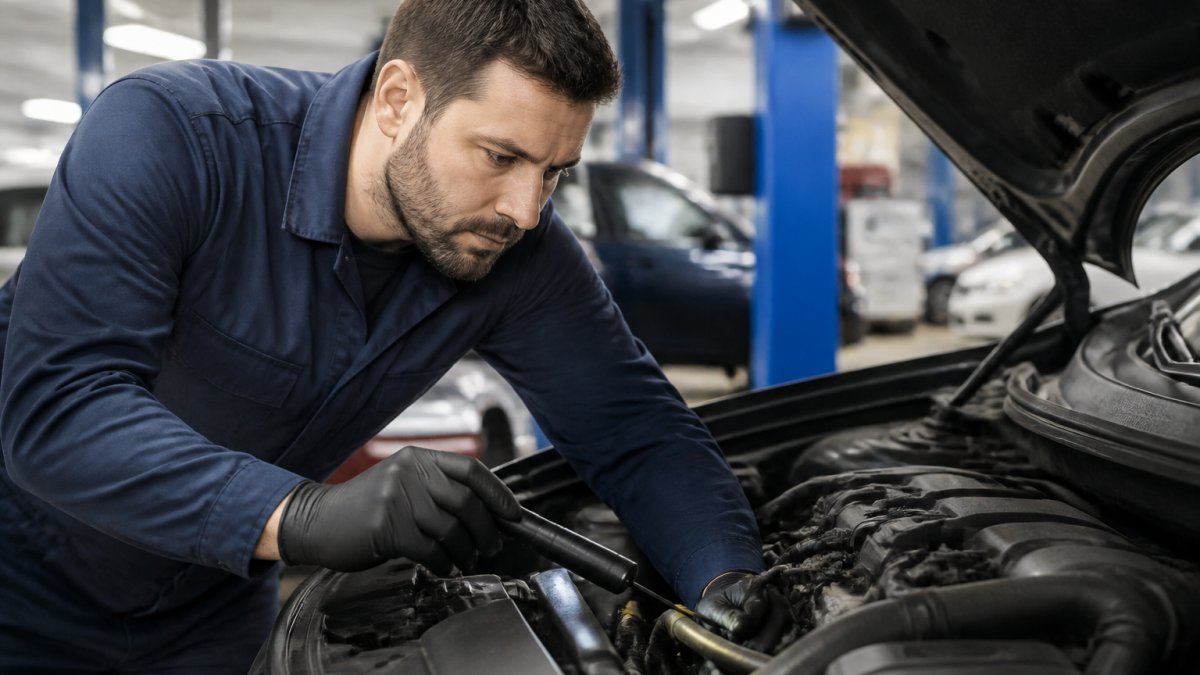
Choosing a facility based only on the first estimate can create problems. Collision damage is often hidden behind the bumper cover, fender, wheel, or interior trim. A proper repair begins with a structural teardown, not a surface-level appraisal. The shop should inspect mounting points, suspension components, sensors, wiring, cooling systems, and safety restraints when the impact calls for it.
For Maryland and DC-area drivers, the practical question is simple: can the shop document the damage, communicate professionally with the insurer, and complete the repair to manufacturer-informed safety standards? If the answer is yes, the claim process does not need to dictate where your vehicle is repaired.
Document the Damage Before Repairs Begin
The quality of your claim starts with the information available after the accident. Take clear photos of every damaged area, the overall scene when safe to do so, the other vehicle, license plates, and any visible debris. Save the police report number, claim number, adjuster contact information, towing receipt, and rental paperwork.
When you bring the vehicle in, share any change you noticed after the collision. A pull to one side, steering-wheel vibration, warning light, fluid leak, unusual noise, or difficulty opening a door can point to damage beyond the obvious panel. Those details help technicians plan the teardown and help support the need for mechanical inspection or alignment work.
Do not assume that a vehicle is safe because it still drives. Modern vehicles use impact sensors, cameras, radar units, blind-spot monitoring, lane-assist systems, and carefully engineered crumple zones. A minor-looking hit can affect components that need diagnostic scanning, repair, replacement, or recalibration.
Understand the First Estimate and the Final Repair Plan
The insurer’s first estimate is usually an initial view of visible damage. It is not always the final repair blueprint. Once a certified technician removes damaged parts and inspects the vehicle, additional damage may be found. This is called a supplement.
A supplement is not automatically a red flag or a sign that someone estimated poorly. It is often the correct result of a thorough teardown. Hidden bracket damage, broken clips, distorted reinforcement bars, damaged condenser mounts, suspension concerns, or sensor failures may not be visible until components are removed.
Ask the repair facility to explain what changed and why. A professional shop should be able to show how the additional damage relates to the collision and submit the documentation to the insurer for review. You should not be asked to approve vague extra work without a clear explanation.
Pay close attention to the estimate language for parts. Depending on your policy, the estimate may include OEM parts, recycled original parts, or aftermarket alternatives. Each option has a different cost and availability profile. Recycled OEM parts can be appropriate for certain non-safety-related components when condition is verified. Aftermarket parts can be acceptable in some repairs, but fit, corrosion protection, sensor compatibility, and manufacturer repair procedures must be considered. For safety-related, structural, or calibration-sensitive components, the correct choice depends on the vehicle and repair requirements, not simply the lowest line-item price.
What a Proper Collision Repair Should Include
A quality collision repair is a process, not a cosmetic cover-up. The exact work depends on the impact, but a serious repair plan may involve computerized measuring, frame or unibody correction, suspension inspection, wheel alignment, diagnostic scanning, paint refinishing, and advanced driver-assistance system calibration.
Structural measurements matter because panels can look aligned even when the underlying vehicle structure is not restored to specification. If a front-end impact moved a radiator support, apron, rail, or suspension mounting area, the vehicle may need precision pulling and measurement before replacement panels are installed. Skipping this step can lead to uneven tire wear, poor handling, wind noise, panel gaps, or safety-system concerns.
Paint work also deserves more attention than a quick color match. Modern finishes can include metallic flakes, pearls, tri-stage colors, and clear coats that shift under different lighting. Precision computerized color-match technology, proper panel preparation, and blending adjacent panels when needed help create a finish that looks consistent in sunlight as well as under shop lights.
After repairs are completed, the vehicle may require a post-repair scan and calibration. Cameras and radar sensors do not always reset themselves after a collision, windshield replacement, bumper repair, or alignment adjustment. If a system requires static or dynamic calibration, it should be completed and documented before the vehicle is returned.
Keep Communication Clear During the Claim
The fastest claims are usually the ones with clear documentation and prompt communication. Give the shop your claim number and adjuster details early, then ask who will update you when a supplement is submitted, parts are delayed, or the completion date changes.
It also helps to understand the difference between insurance payment and your responsibility. Your deductible is generally your out-of-pocket portion under your policy, even when the insurer pays the rest of a covered repair. If another driver is at fault, their carrier may eventually cover the damage, but timing and liability decisions can vary. Your shop can help document repairs, but it cannot make the insurer accept liability or override your policy terms.
Avoid authorizing shortcuts simply to meet a rental deadline. Parts availability, insurer review times, and required calibrations can affect the schedule. A few additional days may be justified when the alternative is returning a vehicle before its structural, mechanical, or electronic systems have been properly addressed.
Questions to Ask Before You Authorize Work
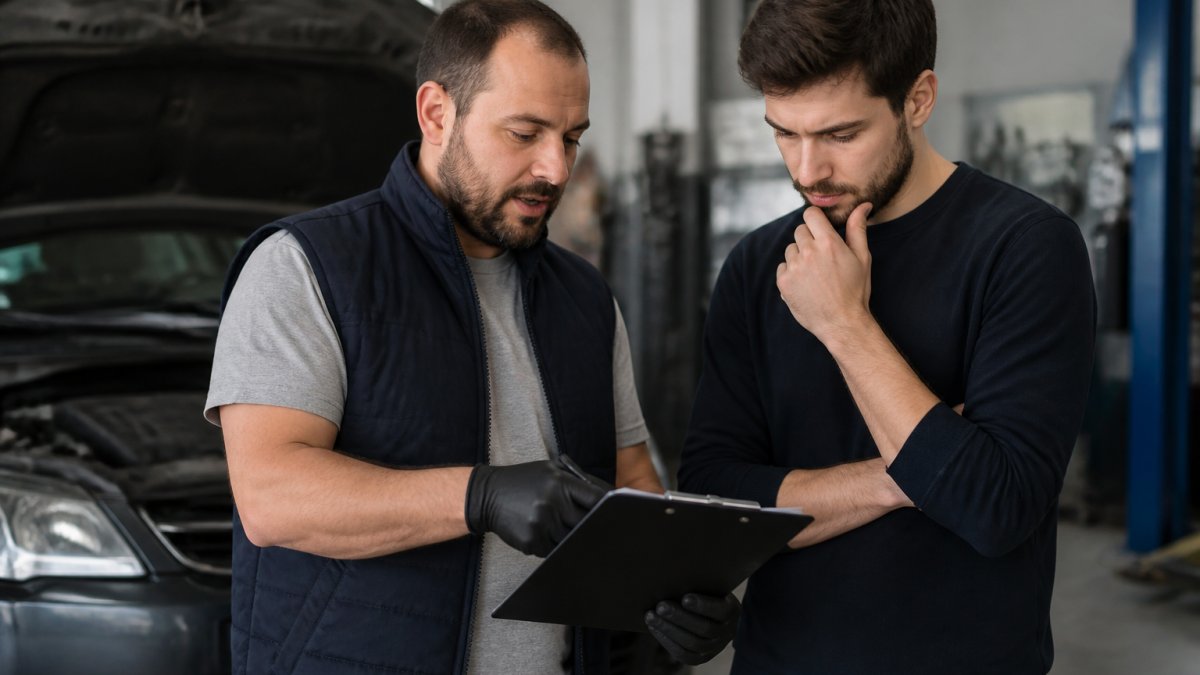
Before signing a repair authorization, get direct answers to the questions that protect your vehicle and your claim:
Will the vehicle receive a complete teardown and damage assessment?
Are your technicians I-CAR and ASE certified for collision and mechanical work?
Will you follow applicable OEM repair procedures and document required scans or calibrations?
How will you handle supplements with the insurance company?
What parts are proposed, and are there policy-based alternatives I should understand?
Is the repair covered by a written workmanship warranty?
These questions are not confrontational. They establish expectations before work begins and make it easier to compare repair facilities on substance rather than promises.
Review the Vehicle Carefully at Pickup
When you pick up your vehicle, review the final invoice and ask for an explanation of the completed work. Confirm that warning lights are off, doors and panels operate correctly, and the paint finish looks consistent in natural light. If your repair involved an alignment, suspension work, structural damage, or driver-assistance systems, ask whether the related measurements, scans, and calibrations were completed.
A reputable shop will welcome a reasonable walk-around and address concerns directly. At Innovation Auto Body Mechanics & Tires, certified technicians coordinate the repair and insurance workflow while keeping the focus where it belongs: restoring the vehicle with precision, transparency, and respect for the driver who depends on it.
Your vehicle is more than the claim number attached to it. Choose a repair process that gives hidden damage the attention it deserves, keep your paperwork organized, and do not hesitate to ask for an explanation before you authorize the next step.
Comments