
Marlow Auto Body vs Darcars: Which Shop Is Right for You
Table of Contents
Marlow Auto Body vs Darcars: Service Offerings and Specialties
How to Compare Auto Body Shops: What Matters Most
Collision Repair Estimate Checklist: What to Review Before Approval
Questions to Ask an Auto Body Shop Before You Commit
Collision Repair Turnaround Time: What to Expect
Technician Certifications and Repair Quality Standards
Why a Single-Location Shop May Simplify Your Repair Experience
Conclusion
Frequently Asked Questions
Last Updated: October 9, 2026
Marlow Auto Body vs Darcars: Service Offerings and Specialties
When you're comparing Marlow Auto Body vs Darcars, you're evaluating two different approaches to collision repair and auto body work. At Innovation Auto Body Mechanics & Tires, we understand that choosing the right shop for your vehicle damage, whether from a minor fender bender or major collision, requires looking beyond just location and price. Both shops offer collision repair services, but the specifics of what they deliver, how they handle estimates, and their commitment to restoration standards vary significantly.
The real difference between auto body shops often comes down to specialization, technician credentials, and whether they can handle everything your vehicle needs under one roof. Some shops focus exclusively on collision repair and bodywork. Others, like Innovation Auto Body Mechanics & Tires, combine collision repair with mechanical services and tire work. This matters because if your accident revealed suspension damage or you need new tires, a single-location solution eliminates the hassle of shuttling your car between multiple facilities.
Understanding what each shop actually offers, not just what their website claims, helps you make a decision based on your specific repair needs, insurance requirements, and timeline expectations.
How to Compare Auto Body Shops: What Matters Most
The process of evaluating auto body shops shouldn't rely on guesswork. You need concrete criteria that directly impact your repair experience and the final result. Start by identifying what services you actually need. Are you looking for collision damage restoration? Paint refinishing? Frame straightening? Windshield or glass repair? Some shops excel at one type of repair while others handle the full range.
Next, verify technician qualifications. Look for I-CAR and ASE certifications, these are industry standards that demonstrate formal training in collision repair, vehicle restoration, and safety protocols. A shop staffed by certified technicians has invested in ongoing education and meets rigorous performance standards.
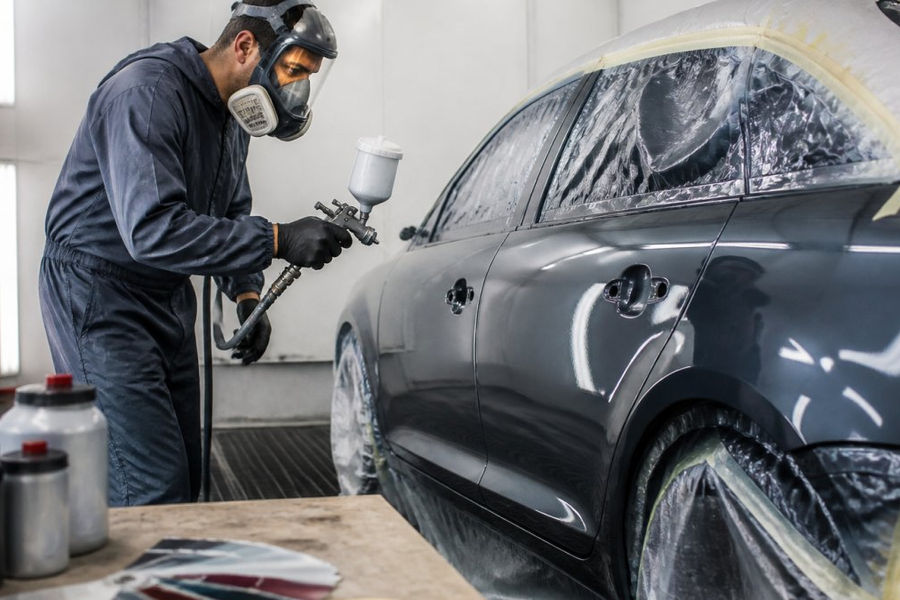
Third, examine their repair process. Do they use computerized frame alignment equipment? Climate-controlled paint booths? Advanced color-matching technology? These tools directly affect whether your vehicle returns to pre-accident condition or leaves you with visible mismatches and imperfect panels. A shop's equipment tells you whether they're cutting corners or investing in quality.
Finally, assess their communication and transparency. Before you commit, you should understand their estimate process, warranty terms, and how they handle insurance claims. Shops that explain their work clearly and stand behind it with written guarantees give you confidence that you're not walking into surprise charges or substandard repairs.
Collision Repair Estimate Checklist: What to Review Before Approval
An estimate is your contract. Before you sign off on any collision repair work, review these critical elements to ensure you're not missing hidden damage or agreeing to inadequate repairs.
Check the scope of damage listed. The estimate should itemize every damaged component: bumper, fender, hood, doors, frame damage, suspension parts, glass, and paint.
Verify the repair method. Does the estimate specify whether damaged parts will be replaced or repaired? OEM (original equipment manufacturer) parts versus aftermarket parts? For collision damage, OEM parts ensure your vehicle matches factory specifications.
Look at paint and refinishing details. The estimate should specify whether the entire panel will be repainted or just the damaged area. Single-panel repaints often show color variation under certain lighting.
Check the warranty terms. What does the shop guarantee? A 100% lifetime workmanship warranty means the shop stands behind its work indefinitely. Some shops offer limited warranties or tie them to specific conditions. Understand what you're covered for.
Confirm insurance coordination. Does the shop handle direct billing to your insurance company? Will they work with your adjuster if additional damage is discovered during the repair?
Ask about turnaround time. A realistic estimate should include how long the repair will take. If the shop can't give you a timeline, that's a red flag. You need to know whether your vehicle will be ready in a week or several weeks.
Questions to Ask an Auto Body Shop Before You Commit
Before you hand over your keys, ask these questions directly. The answers reveal how transparent and professional the shop actually is.
"What certifications do your technicians hold?" Listen for I-CAR, ASE, or manufacturer-specific training. These certifications mean the technicians have passed rigorous exams and stay current with industry standards.
"Can you handle my vehicle's make and model?" Some shops specialize in domestic vehicles while others focus on imports or luxury brands.
"What's your process for color matching?" This is where many repairs fail. Ask whether they use computerized color-matching technology or rely on manual matching.
"Do you work directly with insurance companies?" Shops that handle insurance coordination directly prevent delays and disputes. They know how to document damage for claims and communicate with adjusters professionally.
"What happens if you find additional damage during the repair?" This matters because collision damage often reveals hidden problems once panels are removed. A trustworthy shop will contact you immediately, explain the additional damage, and get approval before proceeding.
"What warranty do you offer?" Understand exactly what's covered and for how long. A lifetime workmanship warranty is the gold standard, it means the shop is confident enough in its work to back it indefinitely.
"Can you provide references or customer reviews?" Ask for contact information from recent customers. Online reviews are helpful, but direct references from people who've used the shop are even more valuable.
Collision Repair Turnaround Time: What to Expect
The time your vehicle spends in the shop depends on several factors, and understanding them helps you plan accordingly. A minor dent or scratch might take a few days. A major collision involving frame damage, multiple panels, and paint refinishing could take several weeks.
The first variable is damage severity. Minor repairs, a small dent, single-panel paint, typically take 3-7 days. Major damage requiring frame straightening, multiple panel replacement, and custom painting can take 2-4 weeks or longer.
The second variable is parts availability. If your vehicle needs OEM parts and they're in stock, the repair moves faster. If parts must be ordered, you're waiting for delivery. Some shops keep common parts on hand; others order as needed. A shop that asks about your timeline upfront can often expedite parts ordering.
The third variable is shop capacity. A busy shop with multiple vehicles in progress may have longer wait times between repair stages. A shop with dedicated staff and simplified workflows moves faster.
The fourth variable is paint curing time. Custom paint jobs require climate-controlled conditions and proper curing time between coats. Rushing this process results in poor finish quality. A quality shop won't cut corners on curing time, even if it extends the overall timeline.
ASE Certification standards for collision repair technicians establish industry benchmarks for repair quality and timeline management. Shops staffed by ASE-certified technicians typically deliver more predictable turnaround times because they follow standardized procedures.
Technician Certifications and Repair Quality Standards
The credentials of the technicians working on your vehicle directly determine repair quality. When you're comparing shops, don't overlook this critical factor.
I-CAR certification demonstrates that a technician has completed comprehensive training in collision repair, vehicle restoration, and safety protocols. The training covers frame alignment, welding, composite repair, and paint application. Technicians must pass written and practical exams to earn and maintain this certification.
ASE certification covers automotive service excellence across multiple specialties. For collision repair, ASE-certified technicians have proven knowledge of damage assessment, repair procedures, and quality standards.
Manufacturer-specific training is another credential to look for. Vehicle manufacturers like Toyota, Honda, and BMW offer training programs for technicians who specialize in their vehicles. A shop with technicians trained on your specific vehicle's repair procedures ensures your car is handled correctly.
Beyond certifications, ask about the shop's quality control process. Do they perform multiple inspections during the repair? Do they use computerized measuring equipment to verify that frame alignment meets factory specifications? Do they have a final inspection step before the vehicle is released?
Innovation Auto Body Mechanics & Tires maintains I-CAR and ASE certifications across its team, backed by advanced computerized technology and climate-controlled paint booths.
Why a Single-Location Shop May Simplify Your Repair Experience
Consolidating your collision repair, mechanical work, and tire services at a single location eliminates coordination headaches and reduces your overall timeline. Here's why this matters practically.
When you take your vehicle to a single-location shop, the technicians who assess collision damage can immediately identify any mechanical issues revealed by the accident. Suspension damage, alignment problems, or brake system issues don't require a separate visit to another facility.
This integration also simplifies insurance claims. Instead of coordinating with multiple shops and managing separate invoices, you have one point of contact. The shop can document all damage comprehensively and communicate directly with your insurance adjuster. This reduces disputes and speeds up claim processing.
From a timeline perspective, a single-location shop can often schedule your repair more efficiently. If your vehicle needs frame alignment, paint work, and new tires, those services can be coordinated without gaps or delays.
The transparency advantage is significant too. A shop that handles collision repair, mechanical work, and tire services has no incentive to recommend unnecessary work at another facility. You get honest assessments of what your vehicle actually needs, not inflated recommendations designed to drive business to partner shops.
Finally, there's the convenience factor. One visit for your estimate, one location for the repair, one pickup, not three separate trips to three different shops. For someone managing the stress of an accident, this simplicity matters.
Conclusion
Choosing between auto body shops requires evaluating their service range, technician credentials, repair process, and communication practices. The best shop for your collision repair combines certified expertise, advanced equipment, transparent pricing, and comprehensive services that eliminate the need to shuttle your vehicle between multiple locations.
Innovation Auto Body Mechanics & Tires brings all of these elements together. With I-CAR and ASE certified technicians, advanced computerized color-matching technology, climate-controlled paint booths, and the ability to handle collision repair, mechanical work, and tire services in one location, we restore your vehicle to factory safety standards while providing the transparent communication and fair pricing that family-owned businesses are known for. Factory repair standards and safety protocols guide our process, ensuring your vehicle meets original manufacturer specifications.
Get a free estimate from Innovation Auto Body Mechanics & Tires and experience the difference that comprehensive, certified collision repair makes.
Frequently Asked Questions
How do I compare auto body shops when choosing between different repair facilities?
Start by verifying certifications: look for I-CAR and ASE credentials, which indicate factory-trained technicians. Check customer reviews on independent sites and ask about specific equipment they use, like computerized frame alignment and color-matching technology. Request detailed written estimates from each shop, compare warranty coverage (especially lifetime workmanship guarantees), and ask how they handle insurance claims. Finally, confirm they can handle all your vehicle's needs, collision repair, mechanical work, and custom painting, under one roof if possible, which saves time and ensures consistency.
What should I look for in a collision repair estimate?
A complete estimate should itemize labor hours, parts costs, and paint work separately. Verify it includes a vehicle inspection and pre-accident condition assessment. The estimate should specify whether parts are original equipment manufacturer (OEM) or aftermarket, and note any additional damage discovered during disassembly. Look for transparency about frame straightening, glass replacement, and custom painting costs. Ask if the estimate includes a warranty and what happens if additional damage is found during repair. Reputable shops provide written estimates and explain any price differences from competitors.
How long does collision repair usually take?
Turnaround time depends on damage severity. Minor repairs like dent removal and paint touch-ups may take 3-5 business days. Major collision repairs involving frame straightening, multiple parts replacement, and custom painting typically take 1-3 weeks. Shops with advanced equipment and certified technicians often work faster. Ask the shop for a specific timeline upfront and request regular updates. Some facilities offer loaner vehicles or rental assistance while your car is being repaired, which helps reduce inconvenience during longer repair periods.
What questions should I ask before approving collision repairs?
Ask: Are your technicians I-CAR and ASE certified? Do you use OEM or aftermarket parts? What warranty do you offer on the repair? How will you ensure my vehicle meets factory safety standards after repair? Will you provide updates on my repair progress? Do you work with my insurance company? Can you handle additional repairs if damage is discovered? What happens if I'm unhappy with the paint match or finish? Request everything in writing, and don't approve work until you fully understand the scope, timeline, and costs involved.
Free Estimate

Comments