
Maryland Collision Repair Guide: Complete Guide to Collision Repair in Maryland
When your vehicle suffers damage from an accident, finding the right collision repair service is crucial. I understand how important it is to restore your car to its original condition quickly and reliably. This Maryland collision repair guide will walk you through everything you need to know about collision repair in Maryland, especially if you live in Prince George's County or the Washington, DC area.
Understanding Collision Repair in Maryland
Collision repair involves fixing your vehicle after an accident. This can range from minor dents and scratches to major structural damage. In Maryland, repair shops must meet specific standards to ensure safety and quality. Choosing a certified and experienced repair center guarantees your vehicle is restored properly.
Collision repair includes several key steps:
Damage assessment: A thorough inspection to identify all issues.
Insurance coordination: Working with your insurer to approve repairs.
Parts replacement: Using OEM or high-quality aftermarket parts.
Bodywork and painting: Restoring the vehicle’s appearance.
Mechanical repairs: Fixing any underlying mechanical problems.
Final inspection: Ensuring the vehicle is safe and looks like new.
Each step requires expertise and attention to detail. I recommend selecting a collision repair center that offers transparent communication and certified technicians.

How to Choose the Right Collision Repair Shop in Maryland
Selecting the right collision repair shop can be overwhelming. Here are practical tips to help you make the best choice:
Check certifications: Look for shops certified by the National Institute for Automotive Service Excellence (ASE) or I-CAR. Certification means technicians are trained to industry standards.
Read reviews: Customer feedback reveals the quality of service and reliability.
Ask about warranties: A reputable shop offers warranties on repairs and paintwork.
Visit the facility: A clean, organized shop with modern equipment indicates professionalism.
Get multiple estimates: Compare prices and services to avoid surprises.
Confirm insurance partnerships: Some shops work directly with insurance companies, simplifying the claims process.
By following these steps, you ensure your vehicle receives the best care possible.
The Collision Repair Process Explained
Understanding the repair process helps you stay informed and confident. Here’s what typically happens after you bring your vehicle in:
Initial Inspection and Estimate
The technician inspects your vehicle to assess damage. They document everything and provide a detailed estimate. This estimate includes parts, labor, and paint costs.
Insurance Approval
The repair shop submits the estimate to your insurance company. Once approved, repairs can begin. If you have questions about coverage, the shop can assist you.
Repair Work
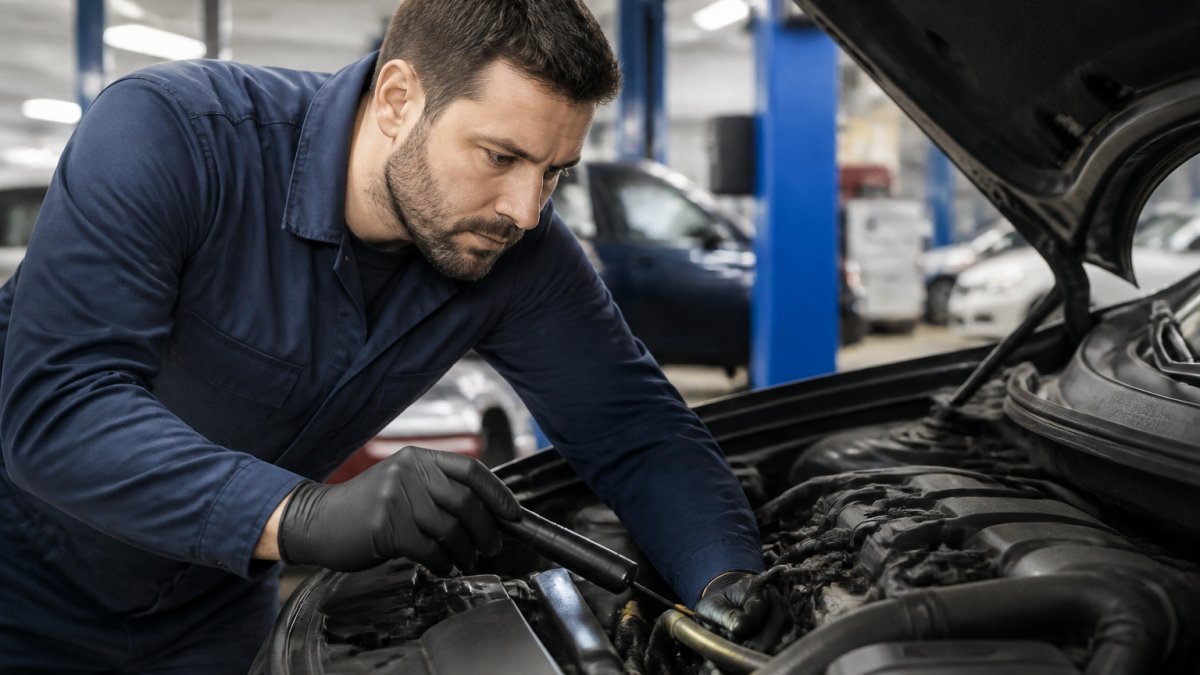
Certified technicians perform repairs using advanced tools and techniques. This includes frame straightening, dent removal, part replacement, and repainting. Shops use paint-matching technology to ensure a seamless finish.
Quality Control
After repairs, the vehicle undergoes a thorough inspection. Technicians check alignment, safety systems, and cosmetic details. This step guarantees your car is safe and looks like new.
Customer Pickup
You receive a detailed report of the work done. The staff explains any maintenance tips or follow-up care needed.

Common Types of Collision Repairs in Maryland
Collision repair covers a wide range of damage types. Here are some common repairs you might encounter:
Dent and scratch removal: Minor damage fixed with paintless dent repair or touch-up paint.
Bumper repair or replacement: Bumpers absorb impact and often need replacement after collisions.
Frame straightening: Essential for structural damage to restore vehicle safety.
Glass replacement: Windshields and windows replaced if cracked or shattered.
Mechanical repairs: Fixing suspension, brakes, or engine components affected by the collision.
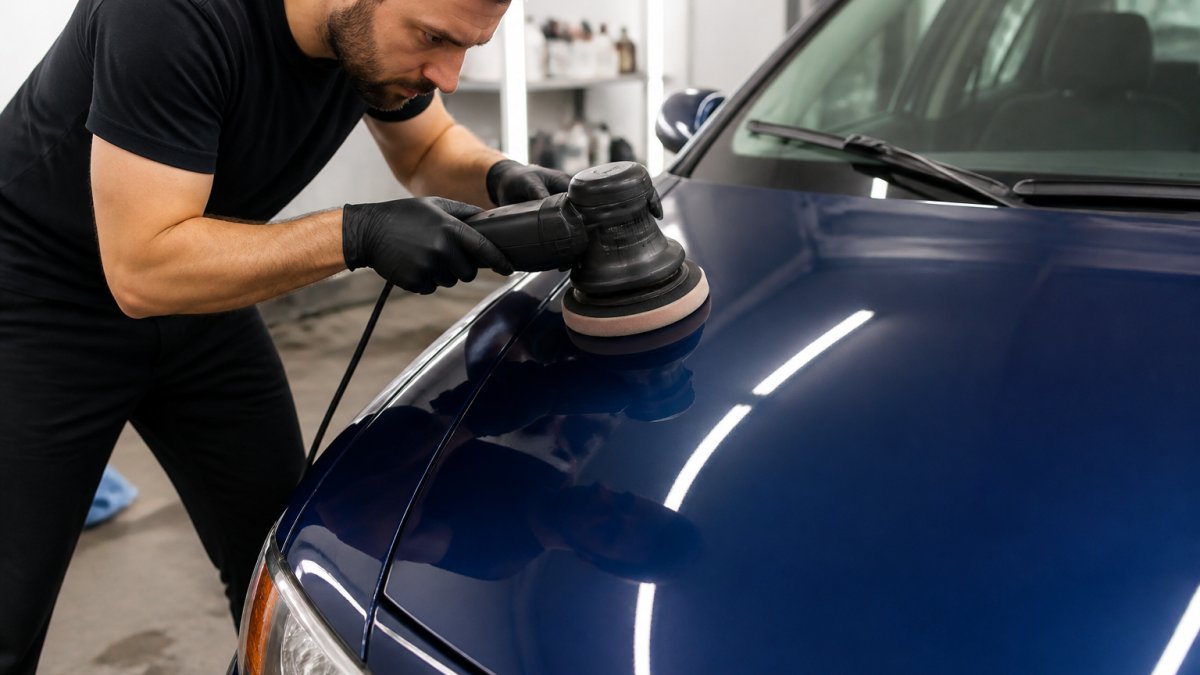
Paint refinishing: Matching original paint color and applying a durable finish.
Each repair requires specialized skills and equipment. Maryland repair centers must comply with state regulations to ensure quality and safety.
Tips for Working with Your Insurance Company
Navigating insurance claims can be confusing. Here are some tips to make the process smoother:
Report the accident promptly: Notify your insurer as soon as possible.
Document the damage: Take photos and keep records of the accident.
Understand your coverage: Know your deductible and what repairs are covered.
Choose a reputable repair shop: Some insurers recommend shops, but you have the right to select your own.
Keep communication open: Stay in touch with both the insurer and repair shop for updates.
Following these tips helps avoid delays and ensures your vehicle is repaired correctly.
Why Choose a Local Maryland Collision Repair Center?
Choosing a local collision repair center offers several advantages:
Familiarity with Maryland regulations: Local shops understand state-specific safety and environmental standards.
Quick turnaround times: Proximity means faster service and easier communication.
Community trust: Local businesses build reputations based on quality and customer satisfaction.
Personalized service: You receive direct attention and transparent updates.
For residents of Prince George's County and the Washington, DC Metro area, selecting a trusted local shop ensures your vehicle is in expert hands.
Final Thoughts on Collision Repair in Maryland
Collision repair is a critical service that restores your vehicle’s safety and appearance. By choosing a certified, experienced repair center, you protect your investment and ensure peace of mind. Remember to:
Verify certifications and warranties.
Understand the repair process.
Work closely with your insurance company.
Opt for a local Maryland collision repair center for the best service.
If you want reliable, high-quality repairs, consider collision repair Maryland services that prioritize transparency and customer satisfaction. Your vehicle deserves expert care to get back on the road safely and looking its best.

Comments