.png)

Why Choose a Family Owned Auto Repair Shop
When your vehicle is damaged, making the wrong repair decision costs more than money. It can cost time off work, repeat visits, insurance delays, and in some cases, your safety on the road. That is why many drivers look for a family owned auto repair shop instead of a high-volume operation where your car becomes just another ticket in the system.
For drivers in Temple Hills, Prince George's County, and the greater DC area, that choice usually comes down to one question: who is going to repair the vehicle correctly, explain the process clearly, and stand behind the work after you leave? A family-owned shop often earns trust because accountability is built into the business. The name on the building is tied to the result.
What a family owned auto repair shop really means
Not every independent shop delivers the same level of repair quality, and being family-owned by itself is not a guarantee. What it should mean, though, is direct accountability, more consistent communication, and a stronger commitment to reputation. In a locally rooted shop, word travels fast. If repairs are rushed or estimates are vague, the community remembers.
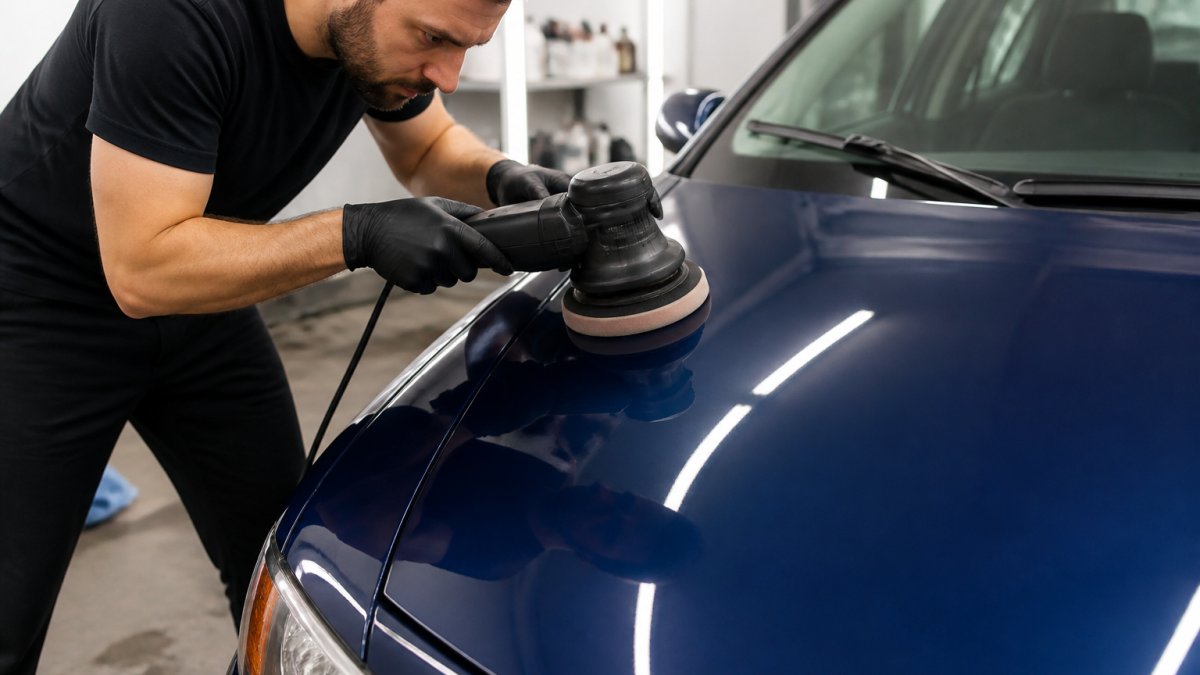
That pressure can work in your favor when the shop also has the right technical foundation. The strongest family-owned businesses combine personal service with certified expertise, documented processes, and repair standards that protect the customer instead of cutting corners. That matters whether you need paint refinishing, suspension work, collision repair, tire service, or a post-accident inspection.
A good shop should feel personal in how it treats you, but disciplined in how it repairs your vehicle. Those two qualities belong together.
Trust matters more when repairs affect safety
Some vehicle problems are obvious. A dented panel, peeling paint, worn tires, or a vibration at highway speed tells you something is wrong. Other issues are less visible. Frame misalignment, hidden structural damage, steering angle problems, suspension damage, and safety system concerns often show up after an accident or a hard impact. Those are not repairs you want handled with guesswork.
This is where a family owned auto repair shop can stand apart, if it has the right certifications and equipment. Drivers are not just paying for parts and labor. They are paying for judgment, inspection discipline, and a repair plan that brings the vehicle back toward factory parameters.
In practical terms, that means the shop should be able to explain why a structural teardown is needed, why calibration matters, why color matching is more technical than it looks, and why some insurance-approved shortcuts may not fully support long-term results. Clear communication reduces stress. Technical accuracy protects the vehicle.
The difference between friendly service and qualified service
A lot of shops are friendly. That is not the same as being qualified.
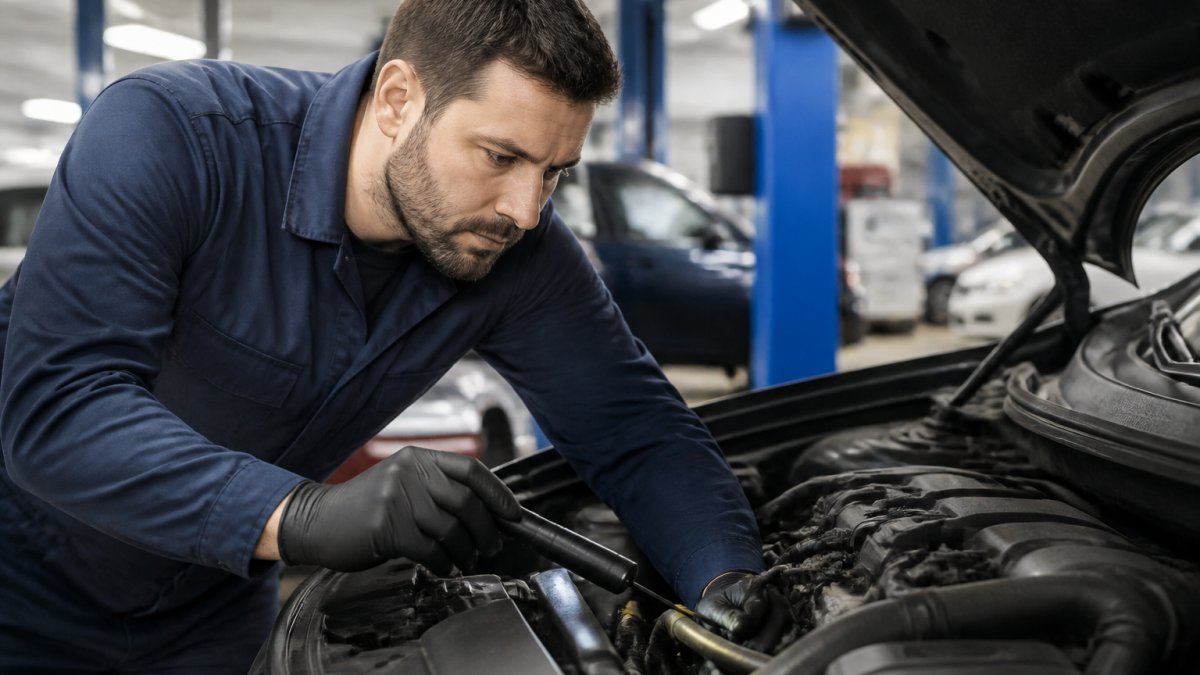
If you are comparing repair options, look past the front desk experience and ask what supports the actual work. Certified technicians, modern diagnostic equipment, frame measurement systems, computerized color-match tools, and a documented repair workflow tell you far more than a low estimate by itself. A shop that follows OEM-minded repair logic is usually thinking about safety, fit, finish, and drivability together instead of treating them as separate issues.
That is especially important after a collision. Cosmetic damage may be the first thing you notice, but the more important question is whether the impact affected structure, suspension geometry, wheel alignment, mechanical systems, or sensor performance. A serious shop checks what is hidden, not just what is visible.
The best family-owned operations understand this balance. They know customers want personal attention, but they also know reassurance only means something when it is backed by certified mastery and repair precision.
Why local accountability changes the customer experience
Large chains and volume-driven facilities can absolutely have capable technicians. But they often work inside tighter throughput pressures, less direct ownership involvement, and a more standardized communication model. Sometimes that works fine for routine maintenance. Sometimes it breaks down when the repair is more complex or the insurance process gets messy.
Local family-owned shops usually operate differently. They are more likely to explain the estimate in plain language, document the condition of the vehicle carefully, and walk you through timing, parts availability, and repair stages. If there is a supplement, a delay, or an insurance question, you are often dealing with people who have direct responsibility for the outcome.
That matters because auto repair is not just technical. It is also administrative. Customers need answers about approvals, expected completion dates, warranty coverage, and whether the repair plan is truly complete. A shop that takes ownership of both the repair and the process removes a lot of unnecessary friction.
When a family owned auto repair shop is the better choice
The answer depends on the type of work you need.
For a basic oil change or a simple tire rotation, many facilities may be able to handle the job competently. But when your vehicle has collision damage, paint damage, mechanical issues tied to impact, or multiple systems that need coordinated attention, a more comprehensive shop has a clear advantage. The ability to manage body work, paint refinishing, structural correction, diagnostics, and alignment under one roof reduces handoff errors and saves time.
That kind of one-stop capability is especially valuable for busy commuters and families who cannot afford weeks of confusion. If the shop can also help coordinate with insurance while protecting repair quality, the experience becomes far more manageable.
Still, there are trade-offs. Some family-owned shops are smaller, which can affect scheduling during high-demand periods. Parts delays can also impact turnaround regardless of who performs the repair. What matters is whether the shop is transparent about timing and committed to doing the work correctly rather than promising speed it cannot deliver.
What to look for before you commit
A trustworthy shop should make its standards visible. Ask how collision damage is assessed, whether technicians hold recognized certifications, how paint color is matched, and what kind of workmanship warranty is offered. If the answer is vague, that is a warning sign.
You should also pay attention to how the shop talks about safety. A quality repair facility will not treat alignment, frame integrity, steering response, and post-repair inspection as optional details. It will explain why those checks matter and how they support the finished result.
Another good sign is process clarity. You should know what happens first, what may change after teardown, how insurance communication is handled, and how the final repair is verified. Customers do not need a technical lecture, but they do deserve a repair path that makes sense.
At Innovation Auto Body Mechanics & Tires, that standard is built around certified repair expertise, insurance coordination, and workmanship meant to restore vehicles as safely and accurately as possible. That combination is what many drivers are actually looking for when they say they want a family-owned shop. They want personal accountability without sacrificing technical precision.
Why price alone is a poor shortcut
It is understandable to compare estimates. Most people do. But the lowest number on paper does not always reflect the full repair. It may leave out necessary teardown steps, use lower-grade materials, reduce refinish time, or avoid deeper diagnostic work that should be done after an impact.
A higher-quality estimate can look more expensive at first because it includes the procedures required to protect fit, finish, and safety. That does not mean every higher estimate is better. It means the details matter. Ask what is included, what standards are being followed, and whether the repair plan addresses both visible and hidden damage.
When the vehicle carries your family, your commute, and your daily schedule, cheap work can become expensive fast.
The real value of choosing carefully
A strong family-owned shop does more than repair cars. It reduces uncertainty at a moment when customers usually have plenty of it already. The vehicle may be damaged, the insurance process may be unclear, and your time may already be stretched. You need a shop that can inspect thoroughly, communicate directly, and deliver repairs that hold up.
That is why the best choice is rarely the loudest ad or the fastest promise. It is the shop that combines local trust with certified discipline, treats your vehicle like a safety system instead of a cosmetic project, and stands behind the final result. When a repair is done right the first time, you feel it every time you get back behind the wheel.

Comments