.png)

How to Choose the Right Auto Body Shop Near Me
A damaged bumper, a bent wheel, or a dashboard warning light after a collision can turn a normal commute into a safety question. When you search for an auto body shop near me, proximity matters, but it should not be the deciding factor. The right repair facility protects more than your vehicle’s appearance. It protects its structural integrity, safety systems, value, and your confidence when you return to the road.
For drivers in Temple Hills, Prince George’s County, and the Washington, DC metro area, choosing a shop often happens during a stressful moment. A clear process helps you avoid rushed decisions, incomplete repairs, and unnecessary back-and-forth with an insurance company.
What an Auto Body Shop Near Me Should Actually Repair
A quality auto body repair is not simply a paint job followed by a quick polish. Modern vehicles are engineered with crumple zones, sensors, cameras, radar components, aluminum and high-strength steel panels, and precisely designed suspension geometry. Damage that looks minor on the outside can affect components behind the bumper cover, under the hood, or beneath the vehicle.
A qualified shop begins with a detailed estimate and, when needed, a structural teardown. This is the process of removing damaged exterior components to identify hidden damage to reinforcements, mounts, cooling components, wiring, suspension parts, or safety-related systems. It is one reason an initial estimate may change after repairs begin. A responsible facility explains why the change is necessary and documents additional damage for the insurer and vehicle owner.
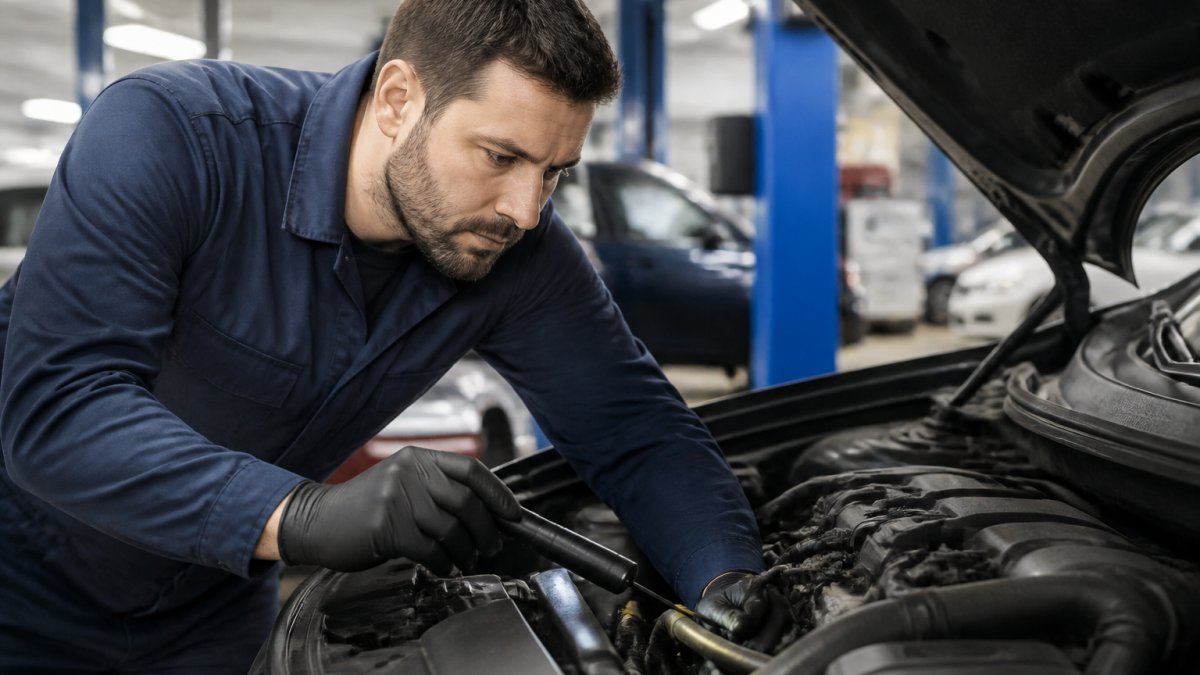
Look for a repair plan that addresses the full condition of the vehicle. Depending on the impact, that may include frame or unibody measurement, panel replacement or repair, mechanical diagnostics, wheel alignment, tire inspection, paint refinishing, and calibration of advanced driver-assistance systems. Skipping any of these steps to make a job appear faster or cheaper can create problems long after the vehicle leaves the shop.
Certifications Matter After a Collision
Collision repair requires specialized training, not just general automotive experience. Ask whether the technicians hold relevant I-CAR and ASE certifications and whether the shop invests in current repair procedures and equipment. Certifications do not replace careful workmanship, but they are a meaningful sign that technicians understand repair standards, materials, welding requirements, diagnostic processes, and evolving vehicle technology.
This matters especially for newer vehicles. A front-end impact may affect parking sensors, adaptive cruise control radar, lane-departure cameras, or automatic emergency braking components. A vehicle can look restored while a safety system remains out of specification. Proper diagnostics and calibration are part of completing the repair correctly.
It also helps to ask how the facility verifies structural repairs. Computerized measuring equipment can compare critical points against factory specifications and help confirm that a vehicle’s frame or unibody has been restored to proper dimensions. The goal is not merely to make panels line up. The goal is to restore factory parameters wherever the approved repair process allows.
Compare Estimates Beyond the Bottom-Line Price
The lowest estimate is not always the best value. Two estimates for the same visible damage may differ because one includes necessary operations that the other has not yet identified, such as blending adjacent panels for accurate color match, scanning for diagnostic trouble codes, replacing clips and one-time-use fasteners, or performing an alignment after a wheel impact.
When reviewing an estimate, ask what is included and what may be addressed after teardown. A clear estimate should separate labor, parts, paint materials, and any expected diagnostic or calibration work. It should also identify whether replacement parts are original equipment manufacturer parts, aftermarket parts, recycled parts, or reconditioned components when that information is available.
Each option has trade-offs. OEM parts may be preferred for fit, finish, and certain safety-related applications, but availability and insurance coverage can affect the final decision. Quality aftermarket or recycled parts can be appropriate in some repairs, particularly on older vehicles, but they should meet the needs of the repair rather than simply reduce the estimate. A reputable shop will explain the options without pressuring you into a choice you do not understand.
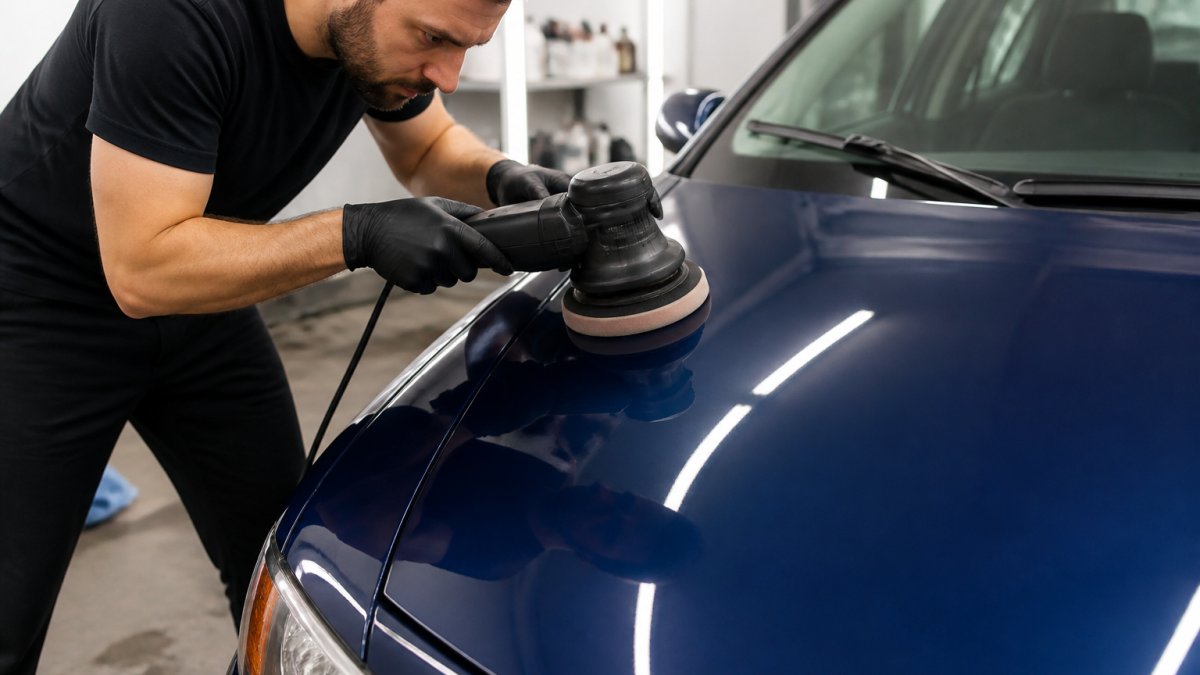
Color matching deserves the same attention. Factory paint changes over time due to sun exposure, weather, and normal wear. Advanced computerized color-match technology helps technicians formulate a finish that blends naturally with surrounding panels. Proper preparation, refinishing, curing, and blending make the difference between a repair that disappears and one that remains noticeable in daylight.
Insurance Coordination Should Reduce Friction
You have the right to choose the repair shop for your vehicle. An insurer may recommend a facility, but a recommendation is not the same as a requirement. Select a shop based on its qualifications, communication, warranty, and ability to perform the necessary repairs.
Insurance claims can involve photos, estimates, supplements, parts approvals, rental coordination, and payment documentation. A shop experienced in insurance coordination can help organize this process and communicate directly with the carrier when hidden damage is discovered. That support does not mean every claim will move at the same speed. Adjuster response times, parts availability, policy limits, and approval requirements can affect the timeline.
The best repair partners are transparent about those realities. They should tell you what stage your vehicle is in, what is waiting on approval or delivery, and what work remains before completion. Clear updates are not a courtesy alone. They are part of accountable repair management.
Questions Worth Asking Before You Authorize Repairs
Before leaving your vehicle, have a direct conversation with the estimator or repair manager. Four questions can reveal a great deal about the shop’s process:
Will you perform a complete inspection and structural teardown if hidden damage is suspected?
How do you handle post-repair scans, sensor calibration, alignment checks, and other safety-related verification?
What type of parts are proposed, and will you explain alternatives if parts availability or coverage changes?
What workmanship warranty applies to the repair, and what are its terms?
Pay attention to how the answers are delivered. A professional shop does not need to overwhelm customers with technical jargon, but it should be able to explain technical decisions clearly. Vague promises such as “we’ll take care of it” are less reassuring than a defined repair plan, documented updates, and a willingness to answer questions.
Look Beyond Collision Damage
Some accidents create mechanical issues that are easy to miss in the first few days. A hit to the curb or wheel can affect tires, steering, suspension, and alignment. A rear impact can damage exhaust components, trunk-floor structures, or electrical connections. Even a low-speed incident may leave a vehicle pulling to one side, vibrating at highway speeds, or producing a new warning light.
A full-service facility can evaluate body damage alongside mechanical concerns. This is valuable because body, suspension, tire, and diagnostic work often overlap after an impact. Having those services handled under one roof can reduce handoffs, shorten the repair path, and provide a more complete record of what was inspected and corrected.
At Innovation Auto Body Mechanics & Tires, certified technicians approach collision, paint, mechanical, tire, and alignment work as connected parts of the same repair standard. The focus is on precision, transparent communication, insurance coordination, and workmanship that supports safe driving after the repair is complete.
A Nearby Shop Is Useful Only If the Work Is Done Right
Convenience still has value. A local facility is easier to visit for an estimate, drop-off, repair update, or final walk-around. But the closest address should be the starting point of your research, not the finish line. Check for clear warranty terms, repair documentation, trained technicians, organized communication, and a process built around safety rather than speed alone.
Before accepting your vehicle at pickup, inspect the repaired area in good lighting. Confirm that panels align properly, paint looks consistent, warning lights are addressed, and any concerns are discussed before you leave. Keep your repair paperwork, final invoice, photos, and warranty information together for future reference.
Your vehicle carries the people and responsibilities that matter most. Give it to a shop that treats the repair as a technical responsibility, not a cosmetic shortcut.

Comments