.png)
Post Collision Mechanical Inspection Matters
- Jun 23
- 6 min read
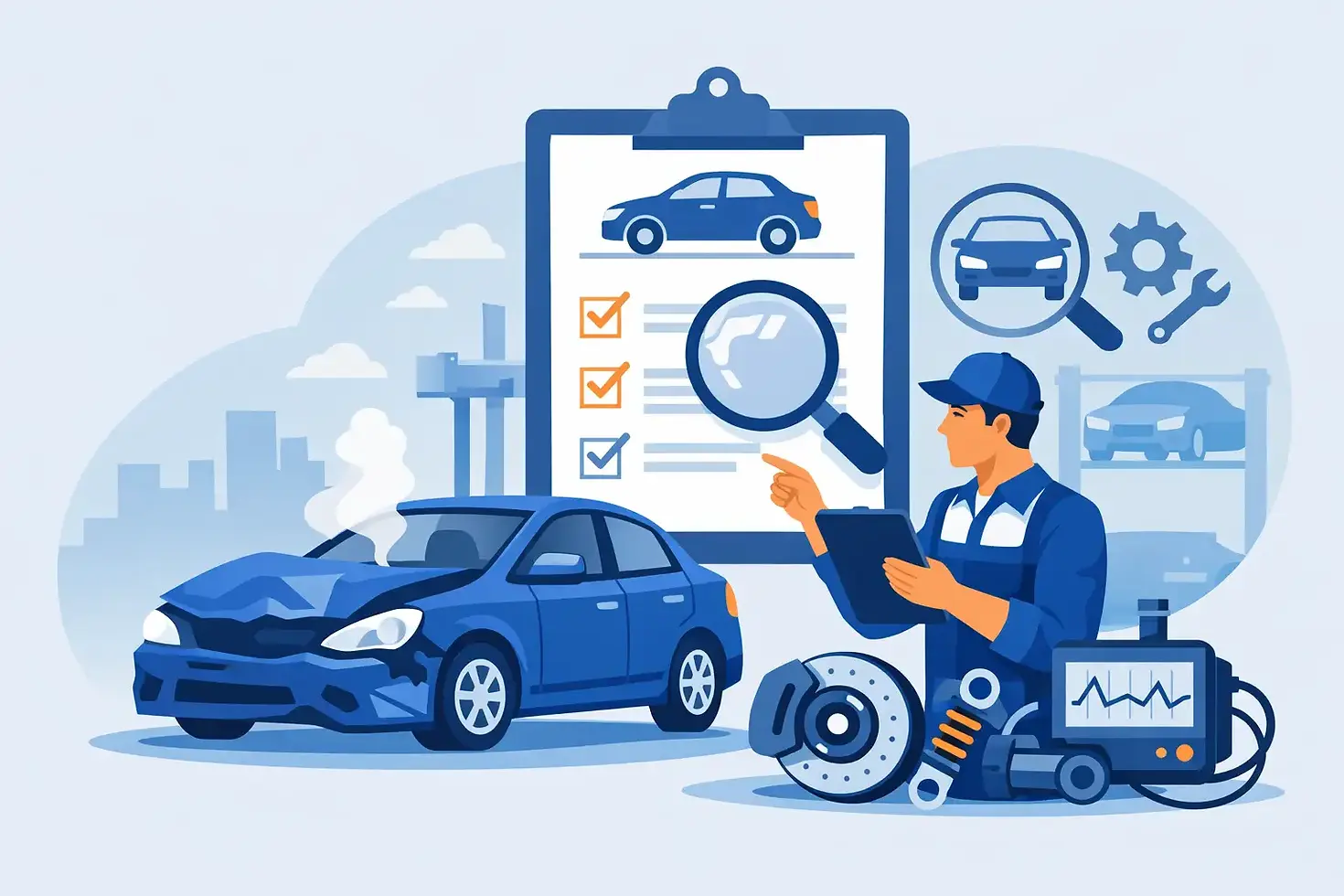
A vehicle can look fine after a crash and still be unsafe to drive. That is exactly why a post collision mechanical inspection matters. Even a minor impact can shift suspension angles, damage steering components, affect braking response, or create hidden drivetrain issues that do not show up in a quick visual check.
For drivers in Temple Hills, Prince George's County, and the DC area, this is more than a technical detail. It is a safety decision. If your car pulls slightly, vibrates at speed, makes a new noise, or simply does not feel the same after an accident, those changes should be taken seriously. Damage that starts small can lead to uneven tire wear, poor handling, longer stopping distances, and more expensive repairs later.
What a post collision mechanical inspection is really checking
A post collision mechanical inspection is a focused evaluation of the vehicle systems that affect how the car drives, stops, tracks, and responds under normal road conditions. It goes beyond visible body damage. The goal is to identify whether the collision affected the mechanical integrity of the vehicle and whether repairs are needed to restore factory standards.
That includes suspension, steering, braking, wheels and tires, alignment angles, and often drivetrain or undercarriage components depending on the point of impact. In some cases, technicians also inspect electronic safety and sensor-related systems that interact with mechanical parts. On a modern vehicle, those systems often work together, so a proper inspection cannot be treated as a cosmetic add-on.
This is where certification and process matter. A serious repair facility does not assume that body damage tells the whole story. It verifies. That means measuring, testing, and documenting conditions rather than guessing based on how minor the accident may have looked.
Why hidden damage is so common after a collision
Modern vehicles are designed to absorb impact energy. That protects occupants, but it also means force travels through parts you may not expect. A curb strike during a collision can bend a control arm. A front-end impact can affect steering geometry. A rear hit can shift suspension mounting points or damage wheel components. None of that is always visible from the outside.
The problem is that many mechanical issues do not announce themselves immediately. Your vehicle may still start, move, and appear drivable. But drivability is not the same as safety. A car that tracks slightly off-center or has a small alignment change may still get you home, yet that same condition can create unstable handling in rain, during emergency braking, or at highway speed.
There is also the issue of delayed symptoms. You may not notice a damaged strut, wheel bearing, or axle concern until days later. By then, tire wear may have started, vibration may be increasing, and the original collision event may feel farther away. That delay is one reason a professional inspection should happen early, not only after problems become obvious.
The systems that deserve close attention
Suspension and steering
These are often the first systems affected by impact. Control arms, tie rods, ball joints, struts, shocks, knuckles, and subframe mounting points can all be compromised. Even slight bending can throw off alignment and change how the vehicle responds in turns or during braking.
If the steering wheel is no longer centered, the vehicle drifts, or you hear clunking over bumps, those are warning signs. Still, some damage produces no dramatic symptom at first. Precision measuring is what confirms whether the geometry remains within factory specifications.
Braking performance
Post-collision brake concerns are not always limited to obvious fluid leaks or broken parts. Impact can affect brake lines, hoses, caliper mounting, wheel speed sensors, and component positioning. If one side of the vehicle took a hit, braking balance may be altered.
That matters because braking issues are not always consistent. A vehicle may stop normally in a parking lot but respond differently under panic braking or uneven road conditions. Inspection helps catch the kind of problem that only shows up when the stakes are higher.
Wheels, tires, and alignment
A bent wheel, shifted alignment angle, or damaged tire can change handling quickly. After a collision, tire and wheel inspection should never be skipped. A sidewall impact, pothole hit during evasive driving, or curb contact can create damage that affects safety long after the body repair is complete.
Alignment is especially important because it reveals whether the vehicle is still tracking as designed. If alignment cannot be brought back into specification, that often points to deeper mechanical or structural issues that need further diagnosis.
Drivetrain and undercarriage components
Depending on the collision, technicians may inspect axles, hubs, transmission mounts, engine mounts, exhaust routing, cooling system supports, and protective undercarriage panels. A low-speed incident can still damage components underneath the vehicle if there was road debris, curb contact, or force transferred through the frame or suspension.
This is one of those areas where shortcuts create expensive consequences. A damaged axle or mount may not fail immediately, but it can produce vibration, accelerated wear, and additional repair needs if ignored.
Why body repair alone is not enough
A vehicle can leave a body shop looking restored while still needing mechanical correction. Paint can match. Panels can line up. Warning lights can even stay off. None of that guarantees proper ride quality, braking response, or steering accuracy.
That is why a true collision repair process should account for both cosmetic and safety-critical systems. Mechanical inspection is not separate from quality repair. It is part of quality repair. If impact changed the way the vehicle drives, restoring appearance without restoring function leaves the job unfinished.
For customers, this often comes down to peace of mind. You should not have to wonder whether the car is safe on the Beltway, whether the tires will wear out early, or whether your family is riding in a vehicle that still has unresolved issues from the crash.
When you should schedule a post collision mechanical inspection
The best time is as soon as possible after the accident, even if the vehicle seems drivable. Waiting can make diagnosis harder because secondary wear starts to blur the line between collision damage and resulting mechanical deterioration.
There are also situations where inspection becomes even more urgent. If the vehicle was hit near a wheel, pushed into a curb, struck from the front or rear, or developed any new noise, pull, vibration, or warning light, it needs a closer mechanical review. The same is true if airbags deployed or the impact was strong enough to require structural or frame-related repairs.
Insurance may cover relevant inspection and repair steps depending on the claim, but coverage details vary. That is one reason a shop that understands both repair documentation and insurance coordination can make the process easier and more transparent.
What drivers should expect from a qualified shop
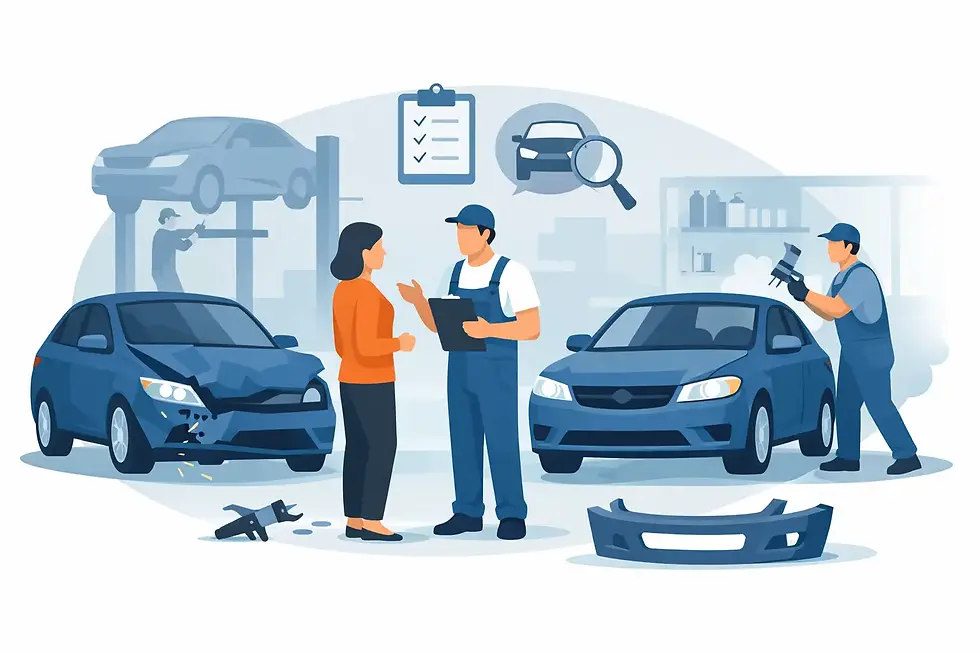
A proper inspection should not feel vague. You should expect clear findings, an explanation of what was checked, and honest communication about what is urgent versus what should be monitored. Certified technicians should be looking at the vehicle through a safety and factory-standard lens, not simply trying to move it through the shop.
At a full-service facility, the advantage is that body, structural, and mechanical concerns can be evaluated together. That reduces the chance of fragmented repairs or missed issues between departments. When the same repair process accounts for frame alignment, suspension condition, steering performance, and final drivability, the result is more accurate and more accountable.
That approach is part of what makes Innovation Auto Body Mechanics & Tires valuable to local drivers. When collision work and mechanical inspection happen under one roof, customers get a more complete repair path and fewer handoffs that create confusion or delay.
The real cost of skipping inspection
The short-term reason people skip a post collision mechanical inspection is simple: the car still runs. The long-term cost is where trouble begins. Misalignment can ruin tires. Suspension damage can stress neighboring parts. Steering issues can make emergency maneuvers less predictable. Small brake-related concerns can become serious at exactly the wrong moment.
There is also value to consider. A vehicle repaired to visible standards but not mechanical standards may continue to show symptoms that hurt confidence and resale appeal. Drivers notice when a car never quite feels right again after an accident.
A careful inspection is not about selling extra work. It is about confirming whether your vehicle was actually restored, not just cleaned up. That distinction matters every time you merge, brake hard, or put your family in the passenger seat.
If your vehicle has been in a collision and something feels off, trust that instinct. The smartest next step is to have it checked by certified professionals who know how to measure what impact really changed. A car should not only look repaired. It should drive the way it was built to drive.

Comments